
Embracing Rustic Charm in Timeless Interior Design
HOME DESIGN IDEAS
Mohamed Amine
10/31/20259 min read
The Essence of Rustic Charm: Nature Meets Simplicity
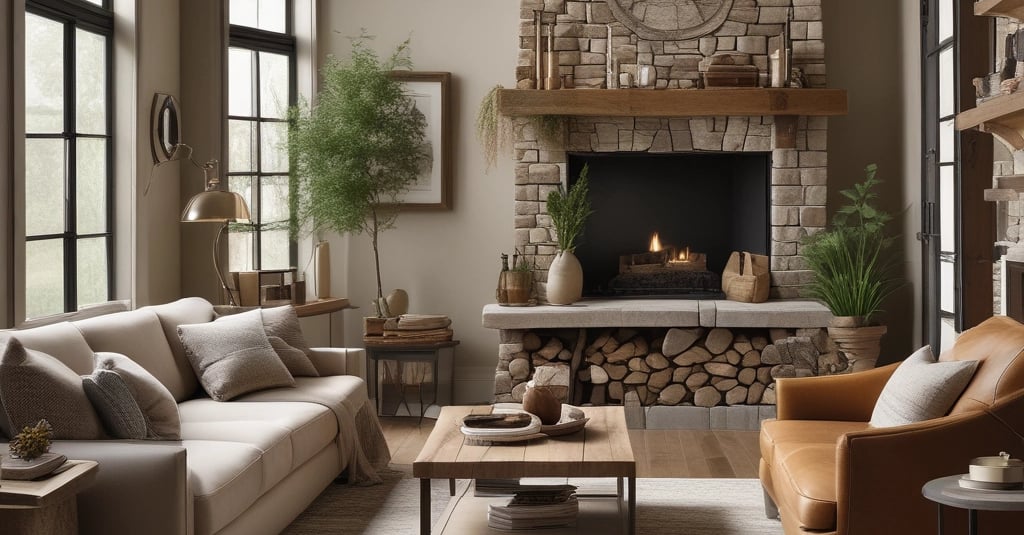
Rustic charm in interior design epitomizes the fusion of nature and simplicity, allowing living spaces to exude a warm and inviting aura. The fundamental principles of this aesthetic center around the thoughtful integration of natural materials such as wood, stone, and organic fibers. These elements not only contribute to the visual appeal of a space but also emphasize a connection to the environment, fostering a sense of authenticity that is often missing in contemporary design.
Wood, a quintessential component of rustic decor, reflects the rugged beauty of nature. Its various textures, tones, and finishes can evoke a sense of comfort and nostalgia. Beams, reclaimed barn wood, or distressed furniture pieces bring character and depth to interiors, enhancing their rustic appeal. The warmth of wood creates a comforting atmosphere, encouraging relaxation and a feeling of home.
In addition to wood, stone play an integral role in conveying rustic charm. Whether through exposed stone walls, natural stone flooring, or decorative stone accents, these elements introduce an earthy quality to a space. The varied textures and colors of stone not only add visual interest but also enhance the organic feel of the environment, connecting inhabitants to the landscape beyond their walls.
Incorporating organic fibers like wool, cotton, and linen further enriches the rustic aesthetic. These materials can be utilized in textiles, such as throw pillows, rugs, and curtains, providing a tactile quality that emphasizes comfort. Their natural hues and patterns often evoke the charm of rural life, thereby reinforcing the simplicity that defines rustic design.
This harmonious blend of natural materials and straightforward designs cultivates a cozy, inviting atmosphere that goes beyond mere aesthetics. It creates a sanctuary where individuals can unwind and feel grounded, embracing the rustic charm that symbolizes a return to nature and simplicity.
Materials That Define Rustic Interiors
Rustic interior design is characterized by its emphasis on natural materials that embody warmth and authenticity. Central to this aesthetic is the use of various types of wood, each bringing its own unique texture and charm to a space. Different species, such as pine, oak, and walnut, are popular choices due to their durability and the rich patina they develop over time. In rustic interiors, wood can be showcased in beams, flooring, furniture, and architectural details, lending an inviting and organic feel to the overall ambiance.
Stone is another quintessential element in rustic design, providing a grounding quality that complements the warmth of wood. Natural stone, such as slate or fieldstone, is often used in fireplace surrounds, walls, and flooring to add depth and character. The rugged textures and earthy colors of stone unite beautifully with wooden elements, creating a cohesive look that feels both timeless and grounded in nature.
Additionally, incorporating other natural materials such as clay, linen, and wool can further enhance the rustic aesthetic. These materials are often found in accessories and textiles, such as pottery, rugs, and curtains, contributing to layered textures that evoke a sense of comfort and home. The use of reclaimed wood and sustainably sourced materials has gained popularity, not only for their aesthetic appeal but also for their environmental benefits. By choosing reclaimed materials, designers can add a story and history to each piece while promoting environmental consciousness in interior design.
In summary, the materials that define rustic interiors play an essential role in creating an inviting atmosphere. From the warmth of various woods to the earthy tones of stone, the thoughtful use of these natural elements contributes significantly to the charm and timelessness of rustic design.
Color Palettes Inspired by the Countryside
When designing rustic interiors, the choice of color palette plays a crucial role in achieving the desired ambiance. Color schemes inspired by the natural world, particularly those that reflect the tranquility of the countryside, can evoke a sense of calm and warmth. Earthy tones such as terracotta, ochre, and rich greens create a grounded atmosphere that mirrors the landscape's organic elements. These colors are reminiscent of weathered barns, lush foliage, and expansive fields, establishing a connection between the interior space and the surrounding environment.
Muted colors also have a significant impact on rustic design. Soft shades of beige, sage, and pale blue lend a subtle elegance that encourages relaxation while maintaining the simplicity associated with rural aesthetics. These hues can be seamlessly incorporated into various design elements, from wall paint to furnishings, reinforcing a cohesive and harmonious theme throughout the space. Furthermore, organic hues that draw inspiration from natural materials such as wood and stone can enhance the rustic feel by adding depth and texture to the interior.
The right color palette is not only about aesthetics; it also plays a pivotal role in shaping the emotional responses of inhabitants. Warm colors can evoke feelings of comfort and invite social interaction, while cooler tones might promote tranquility and introspection. Therefore, when selecting a rustic color scheme, one should consider how specific colors resonate with the intended emotional outcome. It is vital to strike a balance that reflects personal taste while still honoring the authenticity of countryside-inspired design. By thoughtfully curating color palettes that reflect earthy tones, muted shades, and organic hues, one can successfully embrace the rustic charm intrinsic to timeless interior design.
Furniture and Décor: The Beauty of Imperfection
Rustic design is inherently characterized by its embrace of imperfection, serving as a celebration of handcrafted and vintage furniture that often showcases unique charm and personality. This design style, rooted in simplicity and natural beauty, welcomes the irregularities that arise from a bygone era. Each piece of rustic furniture is not just an object but a narrative, telling stories through its age, wear, and craftsmanship.
In rustic settings, furniture elements like reclaimed wood tables, distressed finishes, and handmade accents contribute to a cohesive atmosphere that resonates with warmth and authenticity. Many rustic designs feature integrated elements such as exposed beams, vintage textiles, and artisanal ceramics that exhibit imperfections uniquely. These elements echo the notion that beauty lies in flaws, enhancing the personal and inviting nature of the home.
Consider the appeal of a weathered wooden table its scratches and markings tell tales of family gatherings and cherished memories. This mindful incorporation of vintage or distressed pieces not only adds depth to the aesthetic but inherently communicates a sense of history and resilience. Furthermore, the careful selection of colors often found in rustic design tends to lean towards earthy, subdued tones that complement the textures and shapes of the furniture without overwhelming the space.
Handcrafted items in the rustic genre offer another layer of storytelling, as each piece is often one-of-a-kind, highlighting the artisans' touch and the imperfect beauty in craft. Custom-made furniture retains the essence of the handmade process, providing very personal design elements that mass-produced items significantly lack. It is through the intentional imperfections of rustic furniture and décor that spaces are imbued with character and a distinctive sense of place, fostering both comfort and a deeper connection to the environment. In this way, rustic design transcends style, embracing a lived-in quality that appeals to those seeking authenticity in their interior décor.
Blending Rustic Charm with Modern Functionality
The integration of rustic aesthetics with modern functionality involves a thoughtful approach to design that harmonizes traditional warmth with contemporary convenience. In embarking on this endeavor, it is essential to recognize the core elements that define rustic charm, such as natural materials, earthy colors, and handcrafted details. These features can serve as a solid foundation upon which modern elements can be effectively layered.
One pivotal design strategy is the use of open-concept layouts. These layouts not only enhance the flow of space but also allow for the blending of rustic elements with modern furnishings and technologies. For instance, a rustic kitchen featuring reclaimed wood cabinetry can seamlessly incorporate modern appliances. This combination ensures that the rustic character remains unspoiled while enhancing functionality with state-of-the-art kitchen equipment. Furthermore, the implementation of smart technology, such as automated lighting and climate control, can easily coexist with rustic design, bringing efficiency to a traditionally warm setting.
Another effective way to merge rustic charm with modern living is through the careful selection of furniture. Choosing pieces that reflect both styles such as a contemporary sofa placed in a room decorated with rustic beams can create a balanced aesthetic. Opting for furniture made from reclaimed materials preserves the integrity of rustic design while offering contemporary comfort. Accent pieces, such as throw pillows or rugs featuring modern patterns, can further enrich the ambiance, allowing the space to feel cohesive and inviting.
In conclusion, blending rustic charm with modern functionality requires intentional design decisions that respect the essence of rustic aesthetics while embracing the conveniences of contemporary living. By prioritizing open spaces, smart technology, and thoughtful furnishings, homeowners can create a timeless environment that honors both tradition and innovation.
Lighting and Textures: Creating Cozy Ambiance
The interplay of lighting and textures in rustic interior design plays a pivotal role in shaping the overall ambiance of a space. Rustic charm is often characterized by a warm and inviting atmosphere, and strategic illumination can enhance this aesthetic significantly. Various lighting options, such as pendant lights, sconces, and candles, are particularly effective in creating warmth and intimacy. For instance, pendant lights made of wrought iron or aged wood not only serve a functional purpose but also add character to the setting. The soft glow emitted from these fixtures can soften harsh shadows, making the room feel cozier while accentuating the rustic elements present.
Candles, whether they are in sconces or freestanding, present another excellent option to evoke warmth. The flicker of candlelight introduces an element of tranquility, encouraging relaxation and reflection. Integrating these light sources in various layers allows homeowners to adjust brightness levels according to mood and occasion. Additionally, the choice of bulb color, especially warmer tones, significantly affects the overall feel, promoting a sense of comfort typical of rustic designs.
Textures also play a transformative role in creating a welcoming atmosphere. Incorporating materials such as woven fabrics, rough-hewn wood, and stone finishes contributes to the tactile experience of the space. Textured elements can be showcased through upholstered furniture, decorative pillows, and throws that invite touch. Furthermore, layering different textures, such as combining a soft rug with a rustic wooden coffee table, can create visual interest and depth, enhancing the rustic charm.
In summary, effective lighting paired with carefully selected textures is essential in crafting a cozy ambiance in rustic interiors. These elements work synergistically, boosting warmth and intimacy, ultimately inviting residents and guests alike to embrace the comfort and beauty of rustic charm.
Rustic Charm Across Different Settings
The appeal of rustic design extends far beyond traditional homes and cabins; it has the remarkable ability to adapt to various architectural styles and cultural settings. Rustic charm can seamlessly blend with different environments, from urban lofts to modern houses, demonstrating its versatility and timeless nature. This adaptability ensures that anyone can infuse their space with warmth and character, regardless of their home's design.
In urban settings, for instance, the integration of rustic elements can soften the often stark characteristics of contemporary interiors. Exposed wooden beams, reclaimed materials, and vintage furnishings can create a cozy oasis amid the hustle of city life. Urban lofts can benefit greatly from rustic elements like metal accents and aged wood, fostering a sense of welcoming nostalgia while maintaining modern functionality. The juxtaposition of rustic features against sleek lines can lead to a unique aesthetic that tells a story of both tradition and innovation.
Moreover, even within minimalist or industrial design schemes, rustic charm can enhance the overall ambiance. For example, a well-placed farmhouse table in a sleek, modern kitchen or proper framing of brick walls can add warmth and depth to the aesthetic. The use of earthy colors, natural textures, and rustic décor pieces such as pottery or woven baskets can further enrich urban interiors, creating a harmonious balance that respects the surrounding architecture.
In more traditional settings, rustic charm shines through when combined with classic designs. Farmhouses that incorporate open floor plans, large porches, and stone accents evoke a sense of tranquility. The use of vintage furniture pieces, especially those that show signs of age, can bring authenticity to these environments, rekindling nostalgic memories while providing functional living space.
Overall, the effective integration of rustic charm across various settings reveals its remarkable versatility, allowing individuals to explore and express personal styles while retaining a timeless aesthetic. Whether in urban lofts or traditional homes, rustic elements can create inviting environments filled with character and warmth. The possibilities are endless for those willing to embrace this enduring design ethos.
Why Rustic Design Endures Through Time
Rustic design has long captivated homeowners and interior designers alike, boasting an aesthetic that effortlessly evokes warmth, comfort, and authenticity. The allure of this style can be attributed to several factors that resonate deeply with human psychology and cultural values. At its essence, rustic design fosters a connection to nature, often incorporating organic materials such as wood, stone, and metal, which not only elevate the visual appeal but also ground us in the natural world. This intrinsic relationship with nature invokes feelings of tranquility and relaxation, making it an appealing choice for many.
Furthermore, as life becomes increasingly fast-paced and technologically driven, there is a growing desire for simplicity. Rustic design embodies a return to the basics, emphasizing handmade craftsmanship, natural textures, and functional elements. This preference aligns with the contemporary pursuit of mindfulness, where individuals seek spaces that promote a tranquil environment, fostering a sense of peace and security. The timelessness of rustic interiors reflects a lifestyle that values simplicity over excess, encouraging a connection to the past while embracing modern sensibilities.
Another element contributing to rustic design's enduring popularity is its adaptability. While rooted in tradition, this style has shown remarkable flexibility, evolving with contemporary trends while maintaining its core principles. Today's rustic design not only honors its historical roots but also embraces innovations that enhance functionality and aesthetics. For instance, the fusion of rustic elements with modern amenities allows homeowners to enjoy the best of both worlds contemporary comfort alongside vintage charm. This dynamic evolution ensures that rustic design will continue to resonate with future generations, affirming its status as a timeless choice in interior design.
References
Timeless by Design: Designing Rooms with Comfort, Grace, and History
Author: by Nina Farmer , Andrew Sessa Mitchell Owens
Link: Timeless by DesignAxel Vervoordt: Timeless Interiors
Author:by Armelle Baron , Christian Sarramon
Link: Axel Vervoordt: Timeless InteriorsTimeless Modern Interiors
Author:by Pilar Viladas, Lucien Rees-Roberts
Link: Timeless Modern InteriorsPatina Modern: A Guide to Designing Warm, Timeless Interiors
Author: by Chris Mitchell and Pilar Guzmán
Link: Patina ModernThe Finer Things: Timeless Furniture, Textiles, and Details
Author: by Christiane Lemieux , Miles Redd
Link: The Finer Things100 Cotswolds Interior Design Photography Book: Timeless Charm from England’s Countryside
Link: 100 Cotswolds Interior Design