
Natural Light Ideas in Home Interiors
HOME DESIGN IDEAS
Mohamed Amine
11/25/20259 min read
The Importance of Natural Light in Modern Home Design
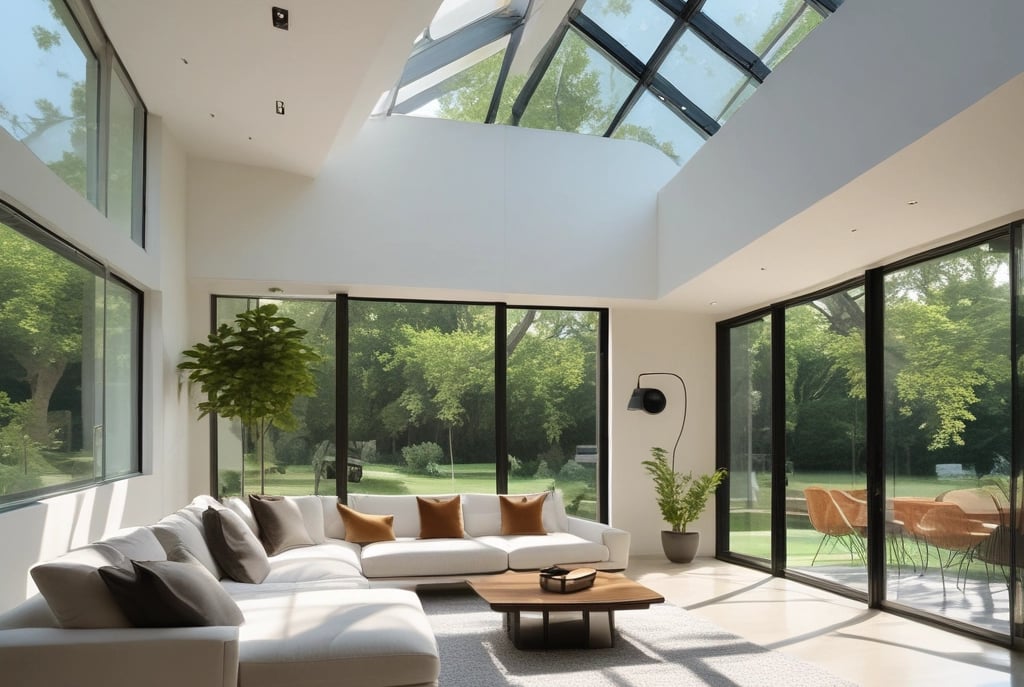
In contemporary home design, the significance of natural light cannot be overstated. It plays a crucial role in shaping the overall aesthetic and functionality of residential spaces. One of the primary advantages of incorporating natural light into home interiors is the enhancement of mood and wellbeing. Studies have shown that exposure to natural light helps increase serotonin levels, which can lead to improved happiness and a reduction in stress. This physiological response underscores the growing emphasis on well-lit environments in modern architecture.
Furthermore, natural light contributes to the visual appeal of a space, allowing colors and textures to come alive. Homes that are flooded with sunlight often feel more expansive and inviting, promoting a sense of connection with the outdoors. This connection is a vital element in creating a harmonious living environment, as it blurs the boundaries between indoor and outdoor spaces. As a result, architects and designers are increasingly implementing features such as large windows, skylights, and open layouts to maximize the inflow of daylight.
In addition to enhancing aesthetics and emotional wellness, natural light also plays a significant role in energy efficiency. By reducing reliance on artificial lighting during daylight hours, homeowners can decrease energy consumption and lower utility costs. This aligns with the broader trend towards sustainable living, where eco-conscious decisions are prioritized in design and construction. Natural light serves as a key component in creating spaces that are not only beautiful but also responsible and sustainable.
Ultimately, the integration of natural light into home interiors supports a lifestyle that values health, productivity, and environmental mindfulness. As modern design continues to evolve, the importance of harnessing natural light will undeniably remain at its forefront, ensuring homes are both functional and nourishing.
Maximizing Sunlight Through Smart Architectural Choices
The strategic placement of windows and skylights plays a crucial role in enhancing natural light within home interiors. Large, well-placed windows can significantly increase the amount of light that enters a room, making it feel brighter and more inviting. When designing a home, it is beneficial to consider the orientation of the building, as south-facing windows tend to capture the most sunlight throughout the day. In addition, the use of floor-to-ceiling windows not only increases light reception but also creates a seamless connection with the outdoors, fostering an atmosphere of openness.
Incorporating skylights is another effective architectural choice to maximize natural light. These overhead fixtures can illuminate spaces that may otherwise lack adequate sunlight, such as hallways or bathrooms. By utilizing tubular skylights, which channel sunlight into small spaces through reflective tubes, homeowners can retain illumination while minimizing heat loss. Furthermore, selecting light tubes with diffusion panels can spread light more evenly, reducing harsh shadows and glare.
Open floor plans are an increasingly popular design feature that supports the flow of natural light throughout a home. By minimizing walls and creating interconnected spaces, sunlight can travel freely from room to room, enhancing overall brightness. Spaces built with fewer obstructions not only look larger but also promote a sense of spaciousness. This design philosophy can be particularly effective in modern homes, where flexibility and adaptability are key.
Considering roof design is paramount in optimizing natural light as well. A sloped roof can facilitate better exposure to the sun, particularly in areas where solar gain is significant. Additionally, combining roof structures with clerestory windows allows light to penetrate deeper into the core of the home while maintaining privacy in lower-level areas. By thoughtfully integrating these architectural elements, homeowners can create spaces that are bathed in natural light and foster a more uplifting living environment.
Best Window Treatments for Enhancing Natural Illumination
Incorporating window treatments that maximize natural light is essential for creating a bright and inviting space within your home. Various options exist, including sheer curtains, blinds, and shades, each offering distinct advantages while maintaining privacy and light control. Understanding the functionality and aesthetics of these treatments can significantly influence your interior ambiance.
Sheer curtains are an excellent choice for those who wish to allow ample sunlight while softening harsh rays. These lightweight fabrics filter light beautifully, creating a warm glow in any room. They are ideal for spaces that benefit from diffused illumination, such as living rooms and lounges. When selecting sheer curtains, consider colors that align with your existing decor; soft whites or light pastels can enhance the sense of openness without overpowering the space. Additionally, the texture of the fabric can add depth to your design, making it both visually appealing and conducive to natural light.
Blinds present another versatile option, offering greater control over light levels. Available in various materials, including wood, faux wood, and aluminum, blinds can be adjusted to direct sunlight precisely where desired. For rooms that require a balance between illumination and privacy, horizontal or vertical blinds can be tailored to provide an effective solution. Choosing light-colored blinds can help reflect sunlight, further enhancing the brightness of your interiors.
Shades, particularly those made of natural fibers, present a luxurious alternative, providing an organic feel that pairs well with many home styles. Cellular shades, for instance, are engineered to trap air within their unique structure, providing insulation while allowing light to filter through. The placement of shades is crucial; mounting them closer to the ceiling can create an illusion of taller windows, maximizing the impact of available natural light.
In essence, selecting the appropriate window treatments is vital to enhance natural illumination in your home. By considering sheer curtains, blinds, and shades, homeowners can achieve a balance between light, privacy, and aesthetic appeal that perfectly aligns with their interior design goals.
Utilizing Mirrors and Reflective Surfaces
Incorporating mirrors and reflective surfaces is an effective strategy for enhancing natural light within a home. These elements create an illusion of space while amplifying illumination, making any room feel more vibrant and open. The strategic placement of mirrors can significantly transform the ambiance of a room. For instance, positioning a large mirror directly across from a window can capture and reflect sunlight, dispersing it throughout the area. This simple yet impactful adjustment enhances the overall brightness, allowing for a more inviting environment.
To maximize the benefits of mirrors, consider various styles. Decorative mirrors, such as sunburst or geometric designs, not only serve a functional purpose but also act as stylish accents. Choosing reflective surfaces with varied textures, like polished metals or glass, can further enhance the light diffusion in the room. For added depth, try layering mirrors in different sizes this technique can be especially effective in smaller spaces that require both light amplification and a sense of spaciousness.
Moreover, reflective surfaces are not limited to conventional mirrors. Elements such as mirrored furniture, glass tabletops, or glossy tiles contribute to refracting light, highlighting the beauty of natural light. In addition, consider placing mirrors near corners or at different angles to maximize light flow. This approach ensures that light is bounced around the room, reducing dark spots and creating a well-lit atmosphere.
Finally, while integrating these elements, be mindful of the overall décor. Ensure that the mirrors and reflective surfaces complement the existing color palette and furnishings to maintain a cohesive look. Ultimately, the thoughtful use of mirrors and reflective materials can significantly elevate the brightness and aesthetic appeal of your home interiors.
Balancing Privacy and Daylight in Home Interiors
Creating a harmonious living environment that prioritizes both privacy and the influx of natural light can be a challenging endeavor in home interiors. Striking this balance requires careful consideration of various design elements and materials that enhance daylight without sacrificing seclusion. One effective solution is the use of window films, which can provide a degree of privacy while allowing light to permeate space. These films come in different opacities and designs, enabling homeowners to select options that align with their aesthetic preferences and functional needs. Utilizing frosted or textured films can maximize natural light transmission while obscuring views from outside, making them an excellent choice for bathrooms and bedrooms.
Another option to consider is the incorporation of privacy screens, which can be strategically placed both indoors and outdoors. These screens can be made from materials such as wood, glass, or metal, providing an elegant barrier that allows light to filter through while protecting the inhabitants from prying eyes. In open-plan layouts, privacy screens can define spaces without blocking light, promoting a sense of openness and comfort. Additionally, using plant life as natural screens contributes to privacy while enhancing the overall aesthetic of the home interior. Tall, leafy plants can effectively shield areas from view while still permitting ample sunlight to enter, creating a serene atmosphere.
Thoughtful landscaping also plays a significant role in achieving privacy and daylight balance. Positioning trees, shrubs, or trellises with climbing plants around windows can create a natural barrier that allows homeowners to enjoy daylight without feeling exposed. Planting deciduous trees can provide shade in the summer while allowing sunlight to warm interiors in the winter, thereby maximizing the benefits of seasonal changes. By integrating these methods, homeowners can skillfully design their spaces to prioritize both privacy and an abundance of natural light, enriching their living experience.
Open-Plan Layouts: Encouraging Light Flow Throughout the Home
Open-plan layouts have gained popularity in contemporary home design largely due to their effectiveness in enhancing natural light distribution. By removing unnecessary walls and barriers between living spaces, these designs create a seamless transition, allowing light to flow freely from one area to another. This principle not only enhances visual connectivity but also promotes a sense of spaciousness, which is often lacking in traditional compartmentalized homes.
One of the primary benefits of open-plan layouts is their ability to maximize daylight. Strategically placed windows and glass doors can amplify the influx of natural light, making the internal space feel brighter and more inviting. An effectively designed open-plan area can incorporate multifunctional spaces that serve living, dining, and kitchen needs while encouraging interactions among family members and guests. This design versatility emphasizes how natural light can be integrated into the daily experience of the home.
Design principles that facilitate the flow of light include the use of reflective surfaces, such as glass and polished finishes, which can bounce light around the room. Choosing lighter color palettes for walls and furnishings can also help enhance the brightness of the spaces. Additionally, integrating skylights or clerestory windows can significantly increase the amount of daylight entering the home, effectively illuminating even the most secluded corners.
Successful examples of open-plan layouts can be observed in many contemporary homes, where innovative ideas bring together functionality and aesthetics. For instance, a well-designed kitchen extending into a dining area surrounded by large windows provides a perfect blend of beauty and practicality. Such homes not only prioritize light but also create an inviting ambiance that promotes well-being and social interactions.
Choosing Interior Colors That Complement Natural Light
When designing home interiors, selecting the right paint colors is crucial for maximizing the benefits of natural light. The interaction between color and light can significantly alter the perception of a space, and understanding color theory can aid homeowners in making informed decisions. Different hues react to light in unique ways; for instance, warm colors such as yellows, reds, and oranges tend to create a cozy atmosphere, while cool colors like blues, greens, and purples evoke a calm and serene vibe. The first step in choosing interior colors is to consider the orientation of the room and the amount of natural light it receives throughout the day.
In rooms that receive ample sunlight, bright and saturated colors can create an invigorating environment. However, in spaces with limited natural light, lighter shades can help reflect available light, making rooms feel more open and airy. Soft pastels or light neutrals, such as warm beige, soft white, or pale gray, can aid in amplifying the brightness in dimmer areas. It is also essential to consider the finish of the paint; glossy or semi-gloss finishes reflect light better than flat paints, further enhancing the overall brightness of the space.
Another important factor to consider is the potential for shadowing. It is advisable to test paint samples on various walls to observe how they respond to changing light conditions throughout the day. Using warm and cool tones strategically can create a balanced and harmonious environment. For example, pairing a warm cream with a cooler blue can allow each color to shine at different times, creating visual interest and depth. Ultimately, by thoughtfully selecting colors that complement natural light, homeowners can craft interiors that feel vibrant and inviting.
Eco-Friendly Benefits of Using Natural Lighting
Utilizing natural light within home interiors presents numerous eco-friendly benefits that significantly contribute to a sustainable living environment. One of the most notable advantages is the reduction in energy consumption. By maximizing the use of sunlight during the day, homeowners can minimize their reliance on artificial lighting, which not only decreases electricity bills but also lowers the carbon footprint associated with energy production. Incorporating large windows, skylights, and open layouts allows natural light to permeate spaces, effectively brightening rooms and enhancing their aesthetic appeal without the need for additional energy resources.
Additionally, natural light plays a pivotal role in improving indoor air quality. Traditional artificial lighting can sometimes emit harmful chemicals and contribute to indoor pollution. In contrast, sunlight promotes a healthier living space, as it can help reduce the presence of indoor allergens and mold. Sunlight is a natural disinfectant, which means it actively works to cleanse and purify the air within a home. With increased exposure to daylight, the ambiance becomes fresher and more invigorating, creating a sense of well-being among occupants.
Moreover, the impact of natural lighting extends beyond mere comfort and aesthetics; it directly aligns with eco-conscious home design principles. Adopting strategies that prioritize natural lighting showcases a commitment to sustainable living practices. It sets an example for energy-efficient innovations, encouraging more homeowners to become aware of their environmental footprint. By valuing the integration of natural light in interior spaces, we invest not only in our well-being but also in the health of our planet. The promotion of these eco-friendly practices is essential in today's quest for sustainability, nurturing both our living conditions and the environment as a whole.
References
Residential Lighting: A Practical Guide to Beautiful and Sustainable Lighting Design
Author: by Randall Whitehead
Link: Residential LightingLighting Design Basics
Author: by Mark Karlen & James Benya
Link: Lighting Design BasicsThe Art of Illumination: Residential Lighting Design
Author: by Randall Whitehead
Link: The Art of IlluminationInterior Lighting for Designers
Author: by Gary Gordon
Link: Interior Lighting for Designers