
Mood Lighting in Home Interiors: Elevate Your Space
HOME DESIGN IDEAS
Mohamed Amine
11/29/20259 min read
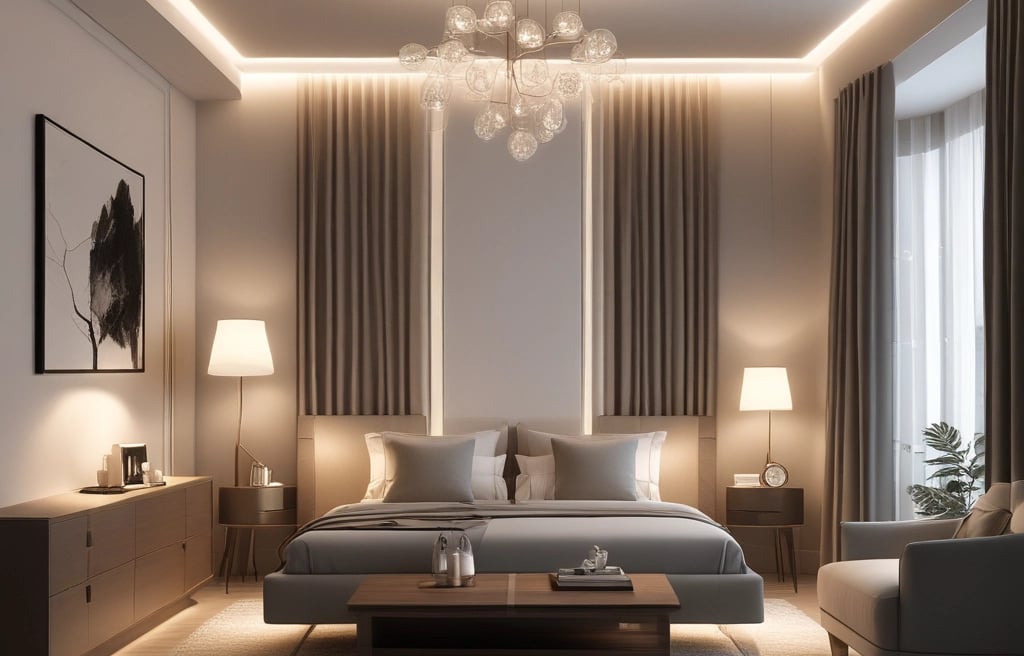
Understanding the Concept of Mood Lighting in Interior Design
Mood lighting is an essential aspect of interior design that aims to create a specific ambiance within a space. It plays a crucial role in enhancing the emotional atmosphere, evoking feelings ranging from calmness to excitement. By strategically using different types of light sources, designers can effectively alter the perception and functionality of an environment. For instance, soft, warm lighting can instill a sense of coziness in a living room, while brighter, cooler lights may invigorate a workspace, promoting productivity.
The significance of mood lighting extends beyond mere aesthetics; it influences how individuals feel and interact within a space. In residential settings, mood lighting can be adjusted to suit different activities, such as relaxing in the evening or entertaining guests. Dimmers, for example, allow homeowners to control the intensity of light, providing flexibility to tailor the ambiance according to the occasion. Furthermore, it can enhance architectural features, drawing attention to artwork or design elements that contribute to the overall aesthetic appeal.
In summary, mood lighting in interior design is not just about illumination; it is about crafting experiences and emotions. By thoughtfully considering light's impact on space, designers can elevate interiors, ensuring each environment resonates with its intended purpose and audience.
How Lighting Influences Emotion and Atmosphere at Home
Lighting plays a pivotal role in the mood and atmosphere of any interior space. Numerous studies have illustrated the psychological effects of various types of lighting on human emotions, highlighting its profound ability to enhance or diminish our feelings. The science suggests that warm lighting, which emits a soft, yellow hue, can cultivate a sense of comfort and relaxation. Conversely, cooler lighting tends to invoke heightened alertness and focus, making it an ideal choice for workspaces or areas designated for productivity.
Research has shown that exposure to bright lighting can lead to increased emotional well-being and a greater sense of vitality. This is particularly relevant in residential settings where the choice of lighting can directly correlate with how spaces are utilized. For instance, soft, dimmed lights are often employed in living rooms to foster relaxation and encourage social interaction, while bright, white lights are favored in kitchens to facilitate efficiency during meal preparations. By understanding these principles, homeowners can systematically adjust their lighting to tailor moods according to specific activities or times of day.
Real-life scenarios can further illustrate how effective lighting can transform an environment. For example, a nighttime gathering in a well-lit dining room adorned with pendant lights can engender feelings of warmth and closeness among guests. In contrast, a home office flooded with natural light can enhance concentration and productivity, allowing individuals to perform at their best. By recognizing the multifaceted relationship between lighting and emotion, homeowners can strategically design their living spaces to evoke the desired atmosphere, ultimately enhancing overall well-being and satisfaction within the home.
Choosing the Right Light Fixtures for a Relaxing Ambiance
Creating a calming atmosphere within home interiors relies heavily on the selection of appropriate light fixtures. An effective way to establish a relaxing ambiance is through the careful consideration of various types of lighting, including lamps, chandeliers, and pendant lights. Each of these fixtures brings unique design features that can significantly enhance the tranquility of any space.
Lamps, for instance, offer versatility and can be strategically placed to create pockets of warm light throughout a room. Table lamps with soft, diffused shades can provide gentle illumination, perfect for reading or unwinding after a long day. Floor lamps can serve both functional and aesthetic purposes, allowing homeowners to direct light where it is needed without overwhelming the senses.
Chandeliers, on the other hand, can act as striking focal points while also contributing to a soothing environment. Choosing a chandelier that uses dimmable LED bulbs will allow for customization of light intensity, adjusting the atmosphere according to time of day or mood. Opting for models crafted with materials like crystal or frosted glass can soften harsh light, adding to a serene atmosphere.
Pendant lights provide an alternative approach, especially in dining areas or kitchen islands. They can be installed at varying heights to create cascading light effects, or used in clusters to enhance visual interest without overpowering the space. Selecting shades that diffuse light gently can help cultivate an inviting ambiance, essential for relaxed gatherings with family and friends.
In summary, the choice of light fixtures is fundamental to establishing a relaxing ambiance in home interiors. By selecting lamps, chandeliers, and pendant lights that prioritize soft illumination and adaptable design, homeowners can elevate their environments into tranquil retreats that promote peace and relaxation.
Using Dimmers and Smart Bulbs to Control Mood Lighting
Controlling mood lighting effectively can significantly enhance the ambiance of any space. One of the most versatile options for achieving this control is through the use of dimmers and smart bulbs. Dimmers allow you to adjust the brightness of your existing lights, creating varied atmospheres that can shift from bright and energetic to soft and relaxing. By decreasing the intensity of light, you can develop a warm and inviting setting tailored to your needs at any given time.
Smart bulbs take the concept of mood lighting a step further by incorporating color and temperature functionalities. These innovative lighting solutions enable homeowners to select not only their desired brightness but also the color spectrum. For instance, you can opt for warmer tones in the evening to promote a sense of comfort and relaxation. On the other hand, cooler tones can be utilized during the day to foster alertness and productivity. Many smart bulbs are compatible with home automation systems, further allowing you to program lighting changes based on specific times or events.
Implementing these technologies effectively involves careful consideration of the layout and function of each room. In bedrooms, for example, installing a dimmer can facilitate peaceful, low-light settings perfect for winding down. In contrast, bright, adjustable light is ideal for workspaces where focused activity is required. Additionally, smart bulbs can be synchronized with other smart home devices, such as motion sensors or timers, ensuring that lights adjust automatically according to activity or time of day.
By integrating dimmers and smart bulbs into your home, you can achieve a customizable mood lighting experience that caters to the atmosphere you wish to create. Not only do these tools enhance comfort and functionality within your space, but they also reflect your personal style and preferences in lighting design.
Color Psychology: Creating Moods Through Light Temperature
Color psychology plays a crucial role in shaping the ambiance and emotional responses within a space, particularly through the manipulation of light temperature. The temperature of light, which is classified as warm (typically around 2700K to 3000K) or cool (above 4000K), can significantly influence the feelings evoked in different environments. Understanding this relationship allows homeowners to strategically design their interiors to enhance specific moods.
Warm light, often associated with a cozy and inviting atmosphere, is particularly effective in areas meant for relaxation and socialization, such as bedrooms and living rooms. The soft, golden hues of warm lighting can create a sense of comfort and tranquility, making these spaces ideal for unwinding after a long day. Incorporating such lighting can help foster intimate gatherings, promote relaxation, and even enhance the quality of sleep in bedrooms, as it signals to the body that it is time to settle down.
On the other hand, cool light, which ranges from daylight to blue tones, tends to stimulate and energize. This type of lighting is recommended for workspaces, kitchens, and areas intended for activity or focus. Cool temperatures can enhance concentration, making them ideal for work environments, while promoting alertness and productivity. Consider implementing cool light in spaces where tasks requiring precision and attention to detail are performed, such as home offices or creative studios, to encourage a vibrant atmosphere conducive to performance.
Ultimately, the strategic use of warm and cool light temperatures can create a harmonious balance within home interiors. By thoughtfully applying color psychology principles, homeowners can successfully evoke desired emotions and behaviors in each space, enhancing their overall living experience.
Combining Accent and Ambient Lights for Emotional Balance
In the realm of interior design, achieving a harmonious balance within a space often goes beyond the careful selection of furnishings and color schemes. One of the most pivotal aspects that contributes to this atmosphere is lighting. By strategically combining accent and ambient lights, homeowners can create an emotionally soothing environment that inspires both functionality and aesthetic appeal.
Ambient lighting serves as the base layer of illumination within a room. It typically includes sources like ceiling fixtures or wall sconces that provide an overall glow, ensuring that the space is sufficiently lit for everyday activities. This type of lighting is crucial as it sets the mood and tone of a room, contributing significantly to the emotional impact of the space. Importantly, ambient lighting must not overpower the area, allowing for a gentle and inviting atmosphere that encourages relaxation and comfort.
In contrast, accent lighting is employed to highlight specific features or areas within a room. This can include artwork, architectural details, or decorative objects. By drawing attention to these focal points, accent lighting adds depth and intrigue, further enhancing the visual appeal of the interior. The interplay between accent and ambient lights can transform an ordinary space into a more dynamic environment, where layers of light offer both interest and emotional balance.
The synergy between these two forms of lighting not only enhances the functional aspects but also plays a crucial role in shaping the mood within the home. For instance, soft ambient lighting may coexist with brighter accent lights, allowing for tailored intensities that reflect daily activities or shifting emotions. Therefore, integrating both accent and ambient lighting is integral to establishing a cohesive and inviting atmosphere within home interiors.
Design Tips for Romantic, Cozy, or Energetic Spaces
Creating the right mood in your home can significantly enhance your interior experience. Depending on the atmosphere you wish to cultivate be it romantic, cozy, or energetic mood lighting plays a vital role in achieving the desired effect. Here are some practical tips for each of these specific settings.
For a romantic dinner setting, soft, warm lighting is key. Utilize dimmable fixtures such as pendant lights or wall sconces to adjust brightness levels according to the occasion. Incorporate candles to add a touch of intimacy; the flickering light creates a dynamic ambiance that is hard to replicate. Additionally, consider using lamps with warm-hued bulbs and layered lighting for a gentle glow. Positioning lights at different heights will help in casting flattering shadows and enhancing visual interest, ultimately leading to an inviting atmosphere.
To create a cozy reading nook, opt for layered lighting options that include ambient and task lighting. Place a floor lamp next to your favorite chair, and select a model with a soft, warm bulb. Adding a table lamp or string lights can further warm up the space, providing comfort while you read. Neutral colors and plush textiles can amplify the cozy feel, while an area rug adds both comfort and sound absorption, making it an ideal hideaway.
For an energetic workspace, bright, focused lighting is essential. Use cool-toned bulbs to enhance concentration and maintain alertness. Task lighting, such as desk lamps with adjustable arms, can help direct light exactly where needed. It's also beneficial to incorporate natural light by positioning your desk near windows. Adding strategically positioned LED lights in the background can create a modern touch to the workspace, promoting both creativity and productivity.
By carefully selecting the type and placement of lights, you can effectively craft the mood of any space, transforming your home into a haven that suits your lifestyle and preferences.
Common Mistakes to Avoid When Setting Mood Lighting
Creating the ideal mood lighting in home interiors can dramatically enhance the ambiance of a space, yet many homeowners inadvertently make several common mistakes that undermine their efforts. One frequent pitfall is improper fixture placement. It is vital to assess where light fixtures are positioned within each room. Lighting that is too harsh or poorly focused can lead to an uninviting atmosphere. For instance, placing a light source directly above a seating area can create unflattering shadows or glare. Instead, consider using multiple light sources distributed evenly throughout the room to provide balanced illumination.
Another mistake often encountered is neglecting the importance of light layers. A successfully lit room typically incorporates three layers of lighting: ambient, task, and accent. Relying solely on overhead lighting fails to provide the depth and warmth needed for a cozy environment. Homeowners should complement general lighting with task lighting for functional concerns and accent lighting to highlight artwork or architectural features. This layered approach creates a dynamic lighting environment suitable for various activities and moods.
Choosing inappropriate color temperatures can also detract from the desired effect. Warm white lights (around 2700K to 3000K) are generally recommended for living spaces as they promote a sense of comfort. In contrast, cooler temperatures may be better suited for workspaces where focus and alertness are paramount. Selecting the right color temperature tailored to the room's purpose helps ensure that the lighting complements the desired mood rather than counteracting it.
By being aware of these common mistakes improper fixture placement, neglecting light layers, and selecting unsuitable color temperatures homeowners can significantly improve their mood lighting. Making thoughtful adjustments allows for the creation of an inviting and harmonious environment that enhances overall well-being.
References
Residential Lighting: A Practical Guide to Beautiful and Sustainable Lighting Design
Author: by Randall Whitehead
Link: Residential LightingLighting Design Basics
Author: by Mark Karlen & James Benya
Link: Lighting Design BasicsThe Art of Illumination: Residential Lighting Design
Author: by Randall Whitehead
Link: The Art of IlluminationInterior Lighting for Designers
Author: by Gary Gordon
Link: Interior Lighting for Designers