
Modern Balcony & Terrace Design: Turning Outdoor Spaces into Stylish Retreats
BALCONIES
Mohamed Amine
10/25/20257 min read
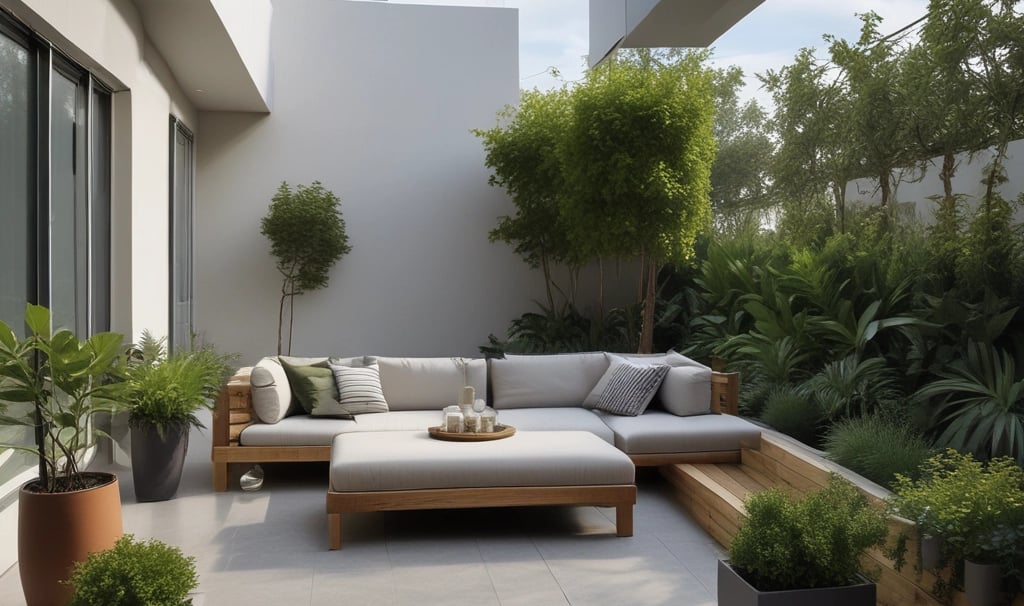
The Evolution of Outdoor Living Spaces in Modern Architecture
The concept of outdoor living spaces has significantly evolved over the years, marking a departure from basic balcony designs to innovative and functional retreats. Historically, balconies served primarily as extensions of interior spaces, offering limited functionality and decoration. However, the rise of modern architecture has redefined the purpose and aesthetic of these outdoor areas, making them essential components of residential designs.
Key architectural movements, particularly the Modernist movement in the early 20th century, championed the integration of indoor and outdoor spaces. Pioneers such as Le Corbusier and Frank Lloyd Wright emphasized the importance of nature in their designs, promoting open floor plans that extended into terraces and balconies, thereby transforming these areas into seamless transitions between the interior and exterior. This approach established a foundation that highlighted the beauty and significance of outdoor spaces in urban living.
Furthermore, the advent of postmodernism and contemporary architectural practices introduced more diverse design philosophies focused on aesthetics, sustainability, and functionality. The incorporation of biophilic design principles where nature is integrated into built environments has led to the creation of balconies and terraces that serve not just as decorative elements but as essential retreats that promote relaxation, biodiversity, and social interaction. With growing urban density and a shift toward sustainability, residential balconies now often feature greenery, seating areas, and outdoor kitchens, providing residents with valuable personal spaces to unwind and connect with nature.
As urban environments continue to develop, the importance of well-designed balcony and terrace spaces cannot be understated. These areas offer creative solutions for enhancing the quality of life in increasingly compact living conditions, highlighting the evolution of outdoor living spaces as not merely an afterthought but a fundamental aspect of modern architecture.
Space Optimization for Small and Large Balconies
Balcony design presents unique challenges and opportunities in creating functional outdoor spaces. Whether the balcony is small or large, strategic space optimization is essential to transform these areas into stylish retreats. For small balconies, utilizing vertical space is key. Hanging planters, wall-mounted racks, and shelves can maximize plant displays and decorative items without occupying precious floor space. Choose foldable or stackable furniture that can be easily stored away when not in use. This type of multifunctional furniture allows for an adaptable layout, catering to both casual relaxation and social gatherings.
For larger balconies, the challenge often lies in defining distinct areas within the expansive space. Creating separate zones such as lounging areas, dining spaces, or a mini garden can enhance functionality and aesthetic appeal. Utilizing rugs can help delineate these spaces, offering a sense of organization. Large balconies can also benefit from the use of sectional sofas that accommodate more seating while retaining versatility. Pairthese with a coffee table that can adapt to various purposes – from dining to game nights.
Storage solutions are integral for both small and large balconies. Bench seating with built-in storage can house cushions, gardening supplies, or outdoor games, ensuring the space remains clutter-free and inviting. Additionally, utilizing decorative baskets or storage boxes can serve as stylish solutions for containing items such as blankets or tools. As design choices are made, consider the flow and accessibility of the area to enhance usability. Proper furniture arrangements can make the space feel larger and more welcoming by promoting a sense of openness and fluidity in the layout. Each design element should contribute to the overall atmosphere, fostering an outdoor oasis suited for relaxation and enjoyment.
Use of Durable Materials and Modern Finishes
In contemporary balcony and terrace design, the choice of materials plays a pivotal role in achieving both aesthetic appeal and longevity. Homeowners and designers alike are increasingly prioritizing durable materials that not only enhance the beauty of outdoor spaces but also withstand various environmental factors. Among the most popular choices are wood, metal, glass, and composite materials, each offering unique benefits and challenges.
Wood remains a timeless option, creating a warm and inviting atmosphere. However, the type of wood selected is crucial; hardwoods like teak and mahogany boast natural resistance to moisture and insects, thus prolonging their lifespan. Regular maintenance, such as sealing and staining, is essential to protect wooden surfaces from weather-related damage. On the other hand, metal materials, particularly aluminum and stainless steel, are celebrated for their strength and corrosion resistance. These materials often feature powder-coated finishes, enhancing both durability and visual appeal, making them an increasingly popular choice for railings and furniture.
Glass elements, such as balustrades and railings, afford unobstructed views, thereby enhancing the spatial experience of balconies and terraces. The use of tempered or laminated glass ensures safety while also providing significant weather resistance. This choice requires minimal maintenance yet offers a modern finish that aligns well with contemporary design themes.
Composite materials, fabricated from a blend of wood fibers and plastic, have emerged as a formidable alternative, mirroring the appearance of wood while promising remarkable resilience against the elements. With minimal upkeep and resistance to mold and fading, composite decking is particularly advantageous for busy urban dwellers looking for stylish yet practical solutions.
In selecting finishes, it is essential to ensure that they not only complement the overall architectural style but also provide the necessary protection against nature's unpredictability. These considerations foster environments that marry sophistication with functionality.
Furniture and Decor Trends for Relaxation and Socialization
The transformation of balconies and terraces into stylish retreats hinges significantly on the selection of appropriate furniture and decor. Current trends emphasize comfort alongside functionality, aiding relaxation and fostering socialization. A notable trend in outdoor furniture design is modular seating, which offers versatility and can be tailored to fit various space configurations. By allowing users to rearrange the seating according to their needs, these pieces facilitate both intimate gatherings and larger social events.
Additionally, the emergence of cozy nooks has become increasingly popular. These spaces often feature comfortable lounge chairs or hammocks, creating a perfect spot for reading or enjoying a quiet moment outdoors. Incorporating these elements not only promotes relaxation but also enhances the aesthetic appeal of a balcony or terrace. To further enrich these spaces, well-designed dining arrangements encourage gatherings, allowing family and friends to enjoy meals in the open air. Stylish dining sets that blend durability with elegance can help create an inviting atmosphere for outdoor dining experiences.
The role of textiles in outdoor decor cannot be understated; they are crucial in enhancing comfort and style. Cushions, throws, and outdoor rugs in trendy color schemes and patterns contribute to a serene and inviting environment. When selecting these textiles, consider colors that evoke warmth and relaxation, such as earthy tones or pastels, which can seamlessly integrate with the natural elements surrounding the outdoor space. Furthermore, accessories like lanterns, planters, and outdoor art can enliven these areas, showcasing personal style and making the space feel more homely. Together, these trends in furniture and decor not only enhance the comfort of outdoor retreats but also create inviting settings for socialization, aligning with today's desires for seamless indoor-outdoor living.
Integrating Lighting and Smart Outdoor Systems
Effective lighting plays a pivotal role in transforming balconies and terraces into inviting retreats that are functional after dark. By understanding the three primary types of outdoor lighting ambient, task, and accent designers can create a versatile atmosphere that caters to different activities and moods. Ambient lighting establishes a serene overall illumination, ideal for relaxation and gatherings. This can be achieved through overhead fixtures, wall sconces, or even soft string lights that create a warm, welcoming vibe. Moreover, choosing energy-efficient LED options contributes to sustainability while providing sufficient brightness for evening enjoyment.
Task lighting, on the other hand, is tailored to specific activities such as reading or cooking. Installing focused and functional lighting in these areas ensures safety and convenience. For instance, using LED spotlights over seating arrangements or bright illuminations for outdoor kitchens not only enhance usability but also add a layer of sophistication. The strategic placement of these light sources can enhance the usability of a terrace or balcony without compromising its style.
Accent lighting serves as an essential design element to highlight specific features, such as architectural details, potted plants, or artwork. It adds depth and character to outdoor spaces, making them visually intriguing after sundown. Incorporating fixtures like uplights or downlights can dramatize these focal points, turning an ordinary outdoor area into a captivating visual experience.
In recent years, smart outdoor systems have emerged as a popular trend in modern balcony and terrace design. These systems allow for lighting control via smartphone applications, providing homeowners the flexibility to adjust brightness, colors, and set schedules from anywhere. Integration of smart technology not only enhances convenience but also allows for personalized ambiance adjustments, tailoring the outdoor experience to suit different moods and occasions. By combining thoughtful lighting solutions with smart systems, outdoor spaces can truly become stylish and functional retreats.
Sustainability and Eco-Friendly Outdoor Design Choices
In recent years, sustainability has become a crucial focus in modern balcony and terrace design. As urban spaces evolve, the need for environmentally-friendly outdoor areas has gained prominence. Utilizing eco-friendly materials and sustainable practices not only minimizes ecological impact but also promotes a healthier lifestyle. Designing outdoor spaces with sustainability in mind can enhance the overall aesthetics while contributing to a more environmentally-conscious living.
One of the primary aspects of sustainable balcony and terrace design is the selection of eco-friendly materials. Recycled and repurposed materials, such as reclaimed wood, recycled glass, and metal, can be effectively incorporated into design elements such as decking, furniture, and planters. These materials not only reduce waste but also provide a unique character to the space, showcasing the beauty of sustainable craftsmanship. Using natural materials like bamboo and stone can further enhance the longevity and durability of these outdoor areas.
Another vital element of eco-friendly design is the incorporation of green features. Vertical gardens, for instance, can be a stunning addition to any balcony or terrace. They not only serve as a beautiful focal point but also promote biodiversity, improve air quality, and regulate temperature. Additionally, utilizing native plants in natural landscaping fosters a thriving ecosystem, attracting local wildlife and minimizing the need for excessive irrigation. Implementing sustainable products, such as solar-powered lighting and rainwater harvesting systems, further underscores the commitment to eco-friendly outdoor spaces.
In summary, embracing sustainability in balcony and terrace design offers numerous advantages. By choosing eco-friendly materials and integrating green features, homeowners can create stylish retreats that contribute positively to the environment. These practices facilitate a balance between aesthetic appeal and ecological responsibility, making outdoor living spaces both beautiful and sustainable.
References
150 Best Terrace and Balcony Ideas
Author: Irene Alegre
Link: 150 Best Terrace and Balcony IdeasThe Balcony Gardener: Creative Ideas for Small Spaces
Author: Isabelle Palmer
Link: The Balcony GardenerOutside Living: Terraces, Balconies, Roof Decks, Courtyards, Pocket Gardens and Other Small Outdoor Spaces
Author: Francesc Zamora (Editor)
Link: Outside Living