
The Evolution of Kitchen Design: From Traditional Hearths to Modern Smart Kitchens
KITCHENS
Mohamed Amine
10/24/202511 min read
Introduction: The Heart of the Home
The kitchen has long been regarded as the heart of the home, serving not only as a space for meal preparation but also as a central gathering place for families and friends. Its significance transcends mere functionality; the kitchen embodies the values and lifestyles of its inhabitants. As society evolves, so too does the design of kitchens, reflecting shifts in culture, technology, and family dynamics. Understanding this evolution is crucial for both homeowners and designers, as it offers insights into how the kitchen can continue to serve its multifaceted role in contemporary life.
Traditionally, kitchens were designed around a hearth, a feature that provided warmth and a space for cooking. These early kitchen designs emphasized utilitarianism, focusing on practicality and survival. However, as living standards improved and societal norms shifted, the kitchen began to take on a more social aspect. With the rise of the nuclear family and changes in household roles, the layout and design of kitchens evolved to accommodate gatherings and foster interaction. Open-concept designs emerged, effectively merging the kitchen with dining and living areas to create a cohesive space for entertainment and leisure.
The advent of modern technologies has further transformed kitchen design, introducing smart appliances and innovative materials that enhance both functionality and aesthetics. Today, kitchens often incorporate advanced features that promote efficiency, such as cooking systems that can be controlled remotely or integrated storage solutions that maximize space. These advancements not only reflect current lifestyle preferences but also signify a response to the growing importance of sustainability and health-conscious living.
As we delve deeper into the evolution of kitchen design, it becomes clear that each shift represents a response to the changing values and needs of society. The kitchen's role as the heart of the home continues to adapt, making an exploration of its design evolution both pertinent and enlightening for contemporary homeowners and designers alike.
The Era of Traditional Hearths
The era of traditional hearths marked a significant phase in the evolution of kitchen design, characterized by its simplicity, functionality, and communal significance. Early kitchens were often situated in the heart of the home, emphasizing their role as a gathering space for families. The hearth itself was typically constructed from stone or brick, and it served the dual purpose of cooking food and providing warmth. This made the hearth not only a practical installation but also a cornerstone of family life.
During this time, the materials used in kitchen design were naturally sourced and readily available, such as wood, clay, and stone. These materials were durable and effective, ensuring that kitchens could withstand the heat and wear from daily cooking. The simplicity of the kitchen layout during this period reflected a practical approach to space utilization. Most kitchens were open-plan, facilitating easy movement and communication among family members, which further underscored the hearth's role as a social hub.
The social functions of traditional kitchens extended beyond mere food preparation. They served as venues for storytelling, sharing experiences, and building familial bonds. The act of cooking became a communal activity where family members would participate, ensuring that everyone contributed to the process. This nurturing environment emphasized the importance of shared meals and the enduring connections forged through food.
In essence, traditional hearths represented more than just a means to prepare meals; they embodied a way of life that prioritized family unity and collaboration. As society evolved, so too did the design and function of kitchens, yet the legacy of these early kitchens continues to influence modern design principles, reminding us of the deep-rooted significance of cooking and gathering in the home.
The Industrial Revolution and Functional Kitchens
The Industrial Revolution, which began in the late 18th century, marked a significant era of change not only in industries but also in domestic spaces, specifically kitchens. One of the primary shifts during this period was the introduction of new materials and appliances that redefined the culinary landscape. Before this epoch, kitchens were largely dependent on open hearths, where cooking was cumbersome and often dangerous. The advent of functional kitchen elements transformed these spaces into more efficient environments.
Among the most notable innovations was the cast-iron stove, which significantly improved cooking methods. This appliance allowed for better temperature control and cooking efficiency compared to traditional hearths. Households could now prepare multiple dishes simultaneously on a single unit, which was a considerable advancement in culinary capabilities. The cast-iron stove became a staple in many homes and shaped new kitchen layouts, where cooking took center stage.
In addition to the stove, the period saw the emergence of other functional kitchen tools that further streamlined cooking processes. Metal pots and pans replaced earthenware and wooden cooking vessels, enhancing durability and heat distribution. Furthermore, the introduction of running water in kitchens facilitated cleanliness and food preparation, diminishing the reliance on manual water fetching.
The evolution of electrical appliances in the 19th and early 20th centuries further propelled kitchen functionality. Refrigerators, toasters, and mixers emerged, enabling home cooks to explore diverse recipes and cooking techniques. As these technological advancements continued to roll out, kitchens transitioned from primarily utilitarian spaces to more versatile areas where cooking and family interaction took place.
This period laid the groundwork for the modern kitchens we see today, characterized by their emphasis on efficiency and functionality. All these changes exemplify how the Industrial Revolution fundamentally transformed kitchen design, making it not just a place for cooking but an integral part of the home.
Mid-20th Century: The Birth of the Modern Kitchen
During the mid-20th century, kitchen design underwent a significant transformation that paved the way for modern kitchen concepts. This era, especially from the 1940s to the 1960s, marked a departure from the traditional hearth-centric kitchens to spaces that emphasized functionality and efficiency. Built-in cabinetry became a key feature, enabling more organization and optimized usage of space. These cabinets not only provided ample storage but also contributed to a streamlined aesthetic that appealed to the growing consumer market.
Additionally, the introduction of open shelving characterized mid-century kitchens, giving homeowners the opportunity to display their dishware and cooking materials creatively. This design element fostered a sense of accessibility and invitation, breaking away from the more closed-off cabinetry of earlier eras. Open shelving allowed for easier reach and organization of frequently used items, adding to the convenience that modern kitchens aim to provide.
One of the most significant innovations during this period was the implementation of the kitchen triangle concept. This design principle emphasized the positioning of the refrigerator, stove, and sink in a triangular layout, maximizing efficiency and minimizing unnecessary movement while cooking. The kitchen triangle became a staple in modern kitchen planning, creating a practical workflow that prioritized the needs of the cook.
The mid-20th century also saw the rise of various design movements that influenced consumer tastes, including the Mid-Century Modern style, which emphasized clean lines, minimalism, and a connection with nature. The advent of consumerism during this time meant that kitchen appliances were becoming more abundant and accessible, integrating technology into everyday cooking practices. This blend of form and function ultimately shaped the contemporary kitchen layout known today, highlighting the transition from traditional spaces to innovative environments catered to modern living.
Open-Plan Kitchens and Aesthetic Innovations
The evolution of kitchen design has significantly transformed with the emergence of open-plan kitchens, a layout that has gained tremendous popularity in modern homes. This design philosophy emphasizes the integration of the kitchen with other living spaces, fostering an environment that encourages social interaction. As families converge in shared spaces, the barriers traditionally separating the kitchen from dining and living areas have diminished, promoting a sense of togetherness and continuity in home life.
Open-plan kitchens allow for versatility in function and style. The idea of merging cooking and living zones has also inspired innovative design solutions, utilizing space in ways that maximize both aesthetic appeal and usability. As homeowners prioritize the need for multifunctional areas, the kitchen's role has expanded beyond mere food preparation to become a central hub for entertainment and social gatherings.
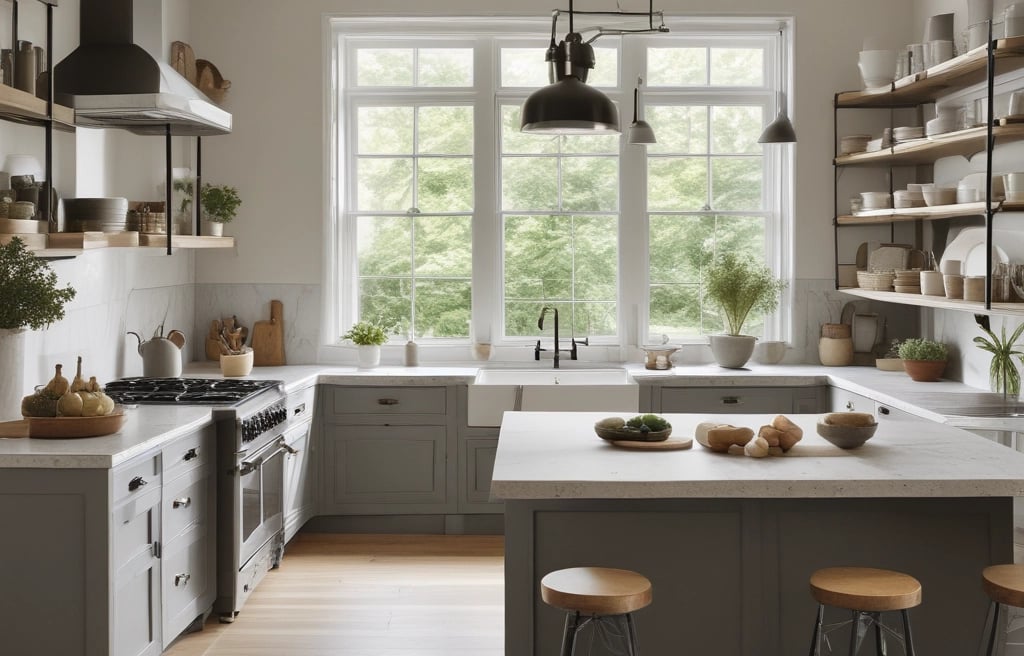
Aesthetic innovations complement this shift in layout, reflecting both personal styles and current trends. Materials such as quartz, stainless steel, and natural woods have become preferred choices for countertops and cabinetry, resulting in a more cohesive and polished appearance. The trend towards minimalist design has also led to the adoption of sleek lines and uncluttered surfaces, enhancing the visual flow between the kitchen and adjoining living areas.
Color schemes in open-plan kitchens have shifted towards softer palettes, often featuring whites, grays, and earthy tones that promote a sense of calm and spaciousness. Accents of vibrant color can be introduced through decor or appliances, serving as focal points that invigorate the overall ambiance. Lighting plays a pivotal role in these designs, with layered options such as pendant lights over islands and recessed fixtures strategically placed to highlight key areas.
In essence, open-plan kitchens are not just a functional necessity; they symbolize a modern lifestyle that values connection, flexibility, and aesthetic harmony in home design.
Ergonomics and the Science of Kitchen Workflow
In contemporary kitchen design, the principles of ergonomics play a pivotal role in creating spaces that enhance functionality and promote comfort during cooking activities. Ergonomics refers to the study of people’s efficiency in their working environment; when applied to kitchen workflows, it ensures that the layout of appliances, work surfaces, and storage areas optimizes usability and reduces physical strain. A well-designed kitchen employs ergonomic principles to support the natural movements and workflows of cooking, thereby increasing efficiency and safety.
One of the key elements of an ergonomic kitchen is the strategic placement of appliances. It is essential for appliances such as the refrigerator, oven, and sink to be located in a manner that allows for seamless transitions during food preparation. The classic kitchen triangle consisting of these three major work areas is a fundamental concept aimed at minimizing movement and maximizing efficiency. By positioning these appliances at equal distances, cooks can reduce unnecessary steps, which minimizes fatigue and enhances productivity during meal preparation.
Additionally, the height and design of work surfaces significantly influence comfort levels in the kitchen. Countertops should be at a proper height that accommodates the user’s stature, allowing for activities such as chopping and kneading without straining the back. Moreover, the inclusion of adjustable elements, such as pull-out surfaces or multi-level countertops, can cater to various tasks while promoting a healthier posture.
Storage areas, too, should be meticulously planned. Items utilized frequently should be easily accessible, while those used less often can be stored higher or further away. Implementing pull-out drawers or shelves minimizes the need for bending and reaching, which can lead to discomfort over time. By integrating these ergonomic considerations, kitchen designs can significantly elevate the cooking experience, fostering an environment that is not only pleasant but highly efficient.
Sustainable and Eco-Friendly Kitchen Designs
The trend towards sustainability in kitchen design has gained significant momentum in recent years, driven by an increasing awareness of environmental issues among consumers. Homeowners are now prioritizing sustainable practices, focusing on eco-friendly materials and energy-efficient appliances to minimize their ecological footprint. This shift is not just a passing trend; it represents a fundamental change in consumer behavior, where environmental responsibility is becoming a key consideration in home design.
One of the primary ways that kitchen designs have evolved to meet sustainability goals is through the use of eco-friendly materials. For instance, cabinets and countertops made from reclaimed wood or bamboo are gaining popularity due to their low environmental impact. These materials not only reduce waste but also add a unique aesthetic to the kitchen, marrying beauty with practicality. Furthermore, the selection of low-VOC (volatile organic compounds) paints and finishes helps to improve indoor air quality, making the kitchen a healthier space for families.
Additionally, energy-efficient appliances have become an essential component of modern eco-friendly kitchen designs. Homeowners are increasingly opting for Energy Star-rated appliances, which consume less electricity and water, ultimately benefiting both the environment and their utility bills. Innovations in technology, such as smart thermostats and automated lighting systems, further enhance the efficiency of kitchen spaces, allowing homeowners to monitor and manage their energy consumption effectively.
Moreover, the implementation of waste reduction practices in kitchen design is another critical element of sustainability. Composting bins, recycling centers, and the use of bulk storage containers encourage minimal waste generation. By integrating these practices into kitchen layouts, designers create functional spaces that inspire sustainable living while facilitating easier recycling and waste management. As consumer demand for eco-friendly kitchens continues to rise, it will undoubtedly shape future design trends, driving the industry towards more sustainable solutions.
Smart Kitchens: Technology Meets Culinary Art
The advent of smart kitchens represents a significant shift in culinary practices, blending technology with traditional cooking methods to enhance efficiency and convenience. At the heart of this evolution are smart appliances equipped with internet connectivity and user-friendly interfaces. These devices, ranging from smart refrigerators that track food inventory to ovens that can be controlled remotely, are transforming the cooking experience. With smart technology, users can access a vast array of recipes online and receive guided cooking assistance, making meal preparation more straightforward.
Smart kitchens also leverage the Internet of Things (IoT) to create an integrated culinary ecosystem. IoT devices allow various kitchen tools to communicate with one another, enabling seamless operation. For instance, a smart coffee maker can start brewing coffee as soon as the alarm is set to go off, while smart dishwashers can adjust washing cycles based on the load's dirtiness, optimizing both time and resources. This interconnectedness not only adds convenience but also promotes energy efficiency, aligning with the modern-day need for sustainability.
As technology continues to advance, the potential for further innovation in kitchen design expands. Future smart kitchens could incorporate artificial intelligence to assist in meal planning, suggesting recipes based on dietary preferences or available ingredients. Additionally, there is a growing trend towards voice-activated controls, enabling hands-free operation of kitchen devices. Such advancements will redefine the culinary landscape, allowing for more interactive and personalized cooking experiences.
In conclusion, the integration of smart technology within kitchens marks a transformative phase in culinary art. As consumers increasingly embrace these innovations, the kitchen of the future promises to be a harmonious blend of practicality, efficiency, and creativity.
Future Trends in Kitchen Design
As we observe the trajectory of kitchen design, several emerging patterns signal a transformative shift towards more efficient, functional, and eco-friendly spaces. One of the most notable trends is the growing preference for minimalist designs. Homeowners and designers alike are increasingly favoring uncluttered aesthetics, characterized by clean lines and a muted color palette. This simplistic approach not only enhances visual appeal but also promotes functionality, allowing for easier maintenance and organization. Minimalist kitchens reflect a desire for serenity and order in a space that often serves as the heart of the home.
Another significant trend is the rise of multifunctional spaces. As urban living continues to be a dominant factor influencing design, the kitchen is evolving into a versatile area that accommodates various activities beyond cooking. Open-concept layouts are becoming more prevalent, integrating the kitchen with dining and living areas. This seamless flow allows for greater interaction among family members and guests, fostering a sense of togetherness. In response to this trend, kitchen islands are increasingly being designed to serve dual purposes, functioning as both preparation spaces and informal dining areas.
The continued integration of technology also plays a critical role in shaping the future of kitchen design. Smart kitchens equipped with IoT devices are revolutionizing how we interact with cooking appliances. From refrigerators that monitor inventory to smart ovens that can be controlled remotely, technology is making cooking more efficient and enjoyable. As tech advancements progress, we can anticipate even more innovative features, such as voice-activated controls and automated cooking processes, further enhancing the functionality of kitchen spaces.
These future trends in kitchen design inspire homebuyers and designers alike to rethink how kitchens can evolve. By embracing minimalist aesthetics, multifunctional layouts, and advanced technology, the kitchen of the future promises to be not just a culinary workspace, but a holistic environment that enriches everyday living.
Conclusion: From Hearth to High-Tech
The evolution of kitchen design has been a journey marked by significant transformations, reflecting changing lifestyles, technologies, and societal values. From the traditional hearth, which served as the heart of the home, symbolizing warmth, family gatherings, and culinary creativity, to modern smart kitchens equipped with state-of-the-art technology, the kitchen has consistently adapted to meet the needs of its users. This progression demonstrates not only advancements in cooking technology but also a shifting understanding of the kitchen's role as a communal space.
In earlier times, the kitchen was predominantly a functional area, mainly focused on meal preparation and domestic labor. Today, it serves as a multifunctional space that is designed for cooking, entertaining, and connecting. The inclusion of open-plan designs and social seating arrangements illustrates this shift, as families increasingly prioritize interaction while preparing meals. Smart appliances, such as refrigerators that can track food inventory or ovens that can be controlled remotely, highlight the growing importance of technology in enhancing efficiency and convenience.
Moreover, sustainability is becoming a critical factor in kitchen design, with a growing emphasis on eco-friendly materials and energy-efficient appliances. As consumers become more environmentally conscious, the demand for kitchens that integrate sustainable practices and technologies continues to rise. Future trends may further incorporate artificial intelligence and automation, further transforming kitchen spaces into seamless environments that cater to individual lifestyles and preferences.
The kitchen, once a mere functional area, has evolved into an essential hub for family and community gatherings. As we look towards the future, it is clear that the kitchen will continue to evolve, shaped by technological advancements and societal changes, remaining an integral part of the home and daily life.
References
A History of the Kitchen
Author: by David Eveleigh
Link: A History of the KitchenThe Kitchen: History, Culture, Design
Author: by Rita Mielke
Link: The KitchenKitchen Culture: Re-inventing Kitchen Design
Author: by Johnny Grey
Link: Kitchen CultureThe Art of Kitchen Design
Author: by Johnny Greay
Link: The Art of Kitchen Design