
Creating Your Dream Kitchen: Combining Style, Functionality, and Personal Touches
KITCHENS
Mohamed Amine
10/24/202511 min read
Introduction: Defining Your Dream Kitchen
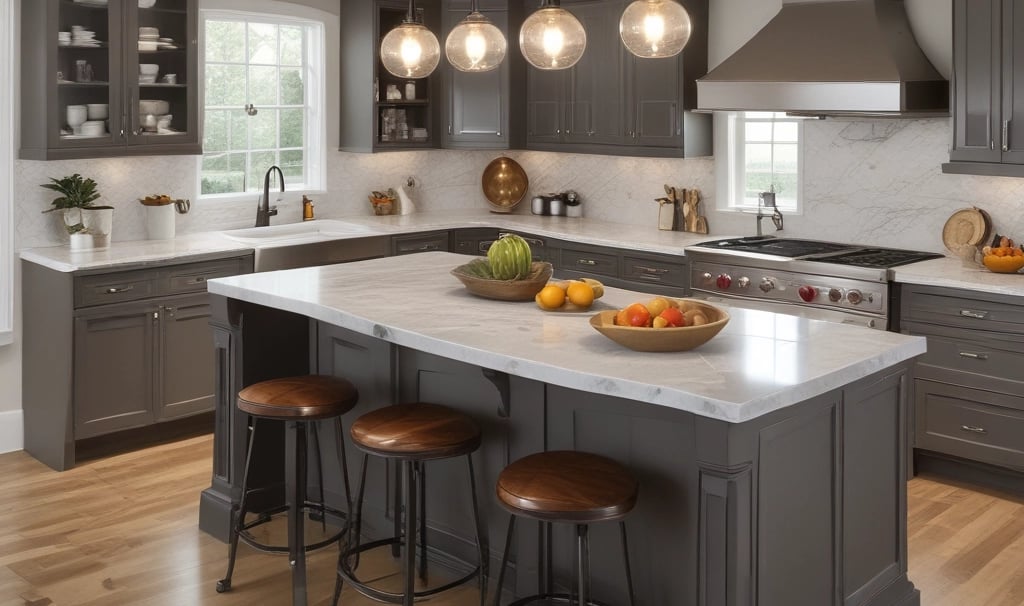
The dream kitchen serves as a pivotal space within the home, embodying not just the culinary needs of the household, but also representing personal style and functionality. It is more than merely a place to prepare meals; it is a sanctuary for creativity, a gathering spot for family and friends, and a canvas for self-expression. As the heart of the home, the kitchen plays an essential role in daily life, bringing people together and fostering meaningful connections.
Creating a dream kitchen requires careful consideration of both aesthetic preferences and practical necessities. This harmonious blend can be achieved through thoughtful planning that accounts for individual tastes, lifestyle demands, and the specific layout of the space. Whether one prefers a modern minimalist aesthetic or a classic rustic charm, the dream kitchen should reflect these choices, turning the design into a representation of the homeowner's unique identity.
Functionality is equally critical in designing the ideal kitchen. Ergonomic workspaces, efficient storage solutions, and user-friendly appliances contribute significantly to the overall experience. By prioritizing a layout that encourages ease of movement and accessibility, the kitchen can perform optimally, catering to both everyday tasks and special occasions. Integrating innovative storage options, such as pull-out shelves and built-in organizers, not only enhances usability but also maintains a clutter-free environment.
In summary, crafting your dream kitchen is an intricate process that harmoniously combines style, functionality, and personal touches. It requires deliberation and a clear understanding of individual needs and preferences. By keeping these elements at the forefront, one can create a space that truly embodies the essence of their culinary passions while serving as a cherished gathering area for all.
Assessing Your Needs and Lifestyle
Creating your dream kitchen begins with a thorough assessment of your culinary habits, family dynamics, and lifestyle preferences. Understanding how you use your kitchen on a daily basis is crucial for determining the essential features and design elements required for maximum functionality. Start by reflecting on your current cooking practices. Are you an occasional cook or someone who spends hours preparing meals? This foundational insight will guide you in identifying what tools and appliances are indispensable.
Next, consider your family size and how it influences your kitchen design. For families with multiple members, a spacious layout that allows for simultaneous cooking and socializing may be ideal. Evaluate the strengths and weaknesses of your current kitchen, noting elements that hinder efficiency and those that enhance it. Perhaps you have limited counter space or outdated appliances that do not meet your culinary needs. Inventorying these aspects will help delineate what improvements are necessary.
In addition to evaluating physical attributes, it is important to contemplate your lifestyle needs. If you entertain frequently, a kitchen that accommodates guests may necessitate a large island or an open layout. Alternatively, if convenience and speed are your priorities, look for space-efficient storage solutions and easy-to-clean surfaces. By comprehensively analyzing your cooking habits, family size, and lifestyle requirements, you can envision a kitchen that aligns seamlessly with your daily routines. This meticulous assessment is a vital precursor to any design decisions, ensuring that your dream kitchen not only reflects your personal touch but also serves as a functional space tailored to your unique lifestyle.
Choosing the Perfect Layout
When it comes to designing your dream kitchen, the layout is critical to achieving a space that is both functional and aesthetically pleasing. Each kitchen layout serves a distinct purpose and offers unique advantages and disadvantages, making it essential to choose one that aligns with your specific needs, space constraints, and cooking style.
The galley kitchen, characterized by two parallel countertops, is an efficient layout ideal for narrow spaces. It enhances workflow due to its streamlined design, allowing for easy movement between the cooking, cleaning, and storage areas. However, this design can feel cramped, making it less suitable for those who enjoy entertaining guests while cooking.
The L-shaped kitchen provides a more open environment, creating a natural flow between the cooking and dining areas. This layout works well for medium-sized spaces and fosters interaction, making it great for families. However, it may require careful planning to maximize storage and counter space, especially if multiple cooks are involved.
A U-shaped kitchen maximizes workspace with three walls of cabinets and countertops. This layout offers ample storage and counter space, making it ideal for avid home cooks. The downside is that it can be less accommodating for larger groups, as this configuration might create barriers for socializing during meal preparation.
Open concept kitchens have gained popularity due to their seamless integration with living areas. They promote communication and interaction, perfect for entertaining; however, they can present challenges with noise and odor control. It's vital to consider how these factors impact your lifestyle.
Ultimately, the ideal kitchen layout should reflect the homeowner's space and personal preferences. Assessing your cooking habits, frequency of entertaining, and overall lifestyle can guide you toward the perfect configuration, ensuring that your kitchen meets all functional demands while remaining a stylish focal point in your home.
Selecting Materials for Durability and Style
When designing a kitchen, the selection of materials plays a pivotal role in achieving both durability and aesthetic appeal. Different parts of the kitchen require various materials that complement functionality and style. By carefully considering options for cabinets, countertops, flooring, and backsplashes, homeowners can create a dream kitchen that resonates with their personal vision.
Cabinets are often the centerpiece of a kitchen, and their material choice impacts both durability and maintenance. Solid wood cabinets, such as oak or maple, offer long-lasting quality and deep character, but they require regular upkeep to maintain their finish. On the other hand, plywood or MDF options are cost-effective and can be designed to look like wood while being less sensitive to moisture, making them suitable for diverse kitchen environments. When selecting materials for cabinets, it is essential to balance the aesthetic you desire with practical needs.
Countertops are equally significant in both style and function. Granite and quartz are popular choices due to their resistance to scratches and heat, ensuring longevity and ease of maintenance. For a more cost-effective and versatile option, laminate surfaces are available in a wide range of designs, including those that mimic the appearance of natural stone. When choosing a countertop material, consider how much wear and tear it will endure and select accordingly.
Flooring options should also reflect a blend of durability and style. Tile, vinyl, and hardwood floors all offer distinct advantages. Ceramic tile is exceptionally durable and easy to clean, making it ideal for kitchen environments, while hardwood provides warmth and character at the cost of higher maintenance. Finally, backsplashes can add a personal touch; materials such as glass, ceramic, or even metal can enhance the kitchen's overall design, setting the tone for the space. Ultimately, selecting the right materials involves striking a balance between functionality, maintenance needs, and the stylistic vision of the dream kitchen.
Incorporating Smart Storage Solutions
Effective storage solutions are a cornerstone of any dream kitchen, significantly enhancing both functionality and organization. As kitchens often serve as the heart of the home, maximizing available space while maintaining an aesthetically pleasing environment is paramount. The integration of smart storage solutions can transform cluttered areas into organized sanctuaries, allowing for a more enjoyable cooking experience.
Among the most versatile options for improving kitchen organization are pull-out shelves. These shelves provide deep storage that is easily accessible, allowing users to retrieve pots, pans, and other kitchen essentials without having to dig through stacks of items. By installing pull-out shelves in cabinets, homeowners can utilize vertical space effectively, thereby optimizing their kitchen layout. This adaptation not only improves access but also encourages a more streamlined workflow when preparing meals.
Another popular solution is the inclusion of lazy Susans. These rotating trays are ideal for corner cabinets, making it easier to access hard-to-reach items such as spices, condiments, or canned goods. Lazy Susans can enhance the functionality of a kitchen by reducing the need to stretch or crouch to find necessary ingredients. Their circular design allows for the efficient use of space, preventing granite or cabinetry from becoming cluttered.
Additionally, built-in cabinets offer customized storage options that can effectively cater to individual needs. By designing these cabinets with specific functionalities in mind such as incorporating wine racks, utensil dividers, or pull-out trash bins homeowners can achieve a layout that aligns with their cooking habits and style preferences. This level of personalization ensures that the kitchen is not only functional but also reflects the unique character of the homeowner.
Incorporating these intelligent storage solutions can dramatically enhance the kitchen's usability while contributing to its overall design aesthetic. By focusing on customization and thoughtful arrangements, individuals can create a space that feels both stylish and efficient.
Balancing Aesthetics and Functionality
Creating a dream kitchen requires a meticulous balance between aesthetics and functionality. The kitchen serves as the heart of the home, where practicality must coexist with visual appeal. To achieve this harmonization, homeowners should consider several factors when designing their space.
A primary consideration is the selection of multipurpose appliances. In an age where efficiency and functionality are paramount, choosing appliances that serve more than one purpose can significantly enhance both usability and aesthetics. For instance, an oven and microwave combination not only saves space but also offers a sleek, modern appearance. Such choices allow homeowners to streamline their kitchen experiences while maintaining a visually pleasing environment.
Another critical aspect is the design and layout of the kitchen. Planning an open layout can maximize space and enhance natural light, promoting a more inviting atmosphere. Incorporating islands or breakfast bars can also help create a central focal point, marrying function with beauty. Countertops should be both durable and stylish; materials like quartz or granite provide longevity while also serving as attractive design elements.
Furthermore, decor plays a significant role in achieving aesthetic balance. Opting for minimalistic designs can mitigate clutter and enhance the visual flow of the kitchen. Use decorative yet practical items such as stylish containers for utensils or open shelving to display fine dishes. This strategy ensures that decorative elements contribute to the overall design without overwhelming the space and compromising its practical usability.
Ultimately, balancing aesthetics and functionality involves a thoughtful approach that considers both visual appeal and practical needs. By selecting appropriate appliances, designing a solid layout, and incorporating deliberate decor, it is possible to create a kitchen that reflects personal style while remaining efficient and user-friendly.
Integrating Modern Appliances Seamlessly
In the ever-evolving world of kitchen design, modern appliances play a pivotal role in not only enhancing functionality but also maintaining a cohesive aesthetic. Today’s advancements in technology have led to a range of appliances that are both efficient and visually appealing, allowing homeowners to integrate them seamlessly into their kitchen spaces. Smart refrigerators, ovens, and dishwashers are among the latest innovations that promise to elevate cooking experiences and streamline everyday tasks.
When selecting modern appliances, it is crucial to consider not only their technical features but also how they align with your kitchen’s overall design philosophy. For instance, appliances with sleek, minimalist designs can complement contemporary kitchens, while those with more intricate finishes can enhance traditional or rustic aesthetics. Stainless steel remains a popular choice due to its versatility and ability to blend with various materials and colors. Additionally, manufacturers offer a range of custom panel options that allow appliances to be built into cabinetry, making them virtually disappear from view while maintaining functionality.
Placement is another significant factor to consider when incorporating modern appliances into your kitchen design. Positioning large appliances, such as refrigerators and ovens, at strategic points can enhance workflow and create an inviting atmosphere. For example, placing the refrigerator near the kitchen entrance and the oven close to the prep area facilitates smoother movement during meal preparations. Furthermore, incorporating smart technology into these appliances allows for connected features that enhance convenience, such as remote monitoring or automated settings that cater to specific cooking needs.
Ultimately, integrating modern appliances seamlessly into a kitchen requires a balanced approach, where functionality meets style. By thoughtfully selecting appliances based on design compatibility and placement, homeowners can create a space that not only looks appealing but also operates efficiently.
Adding Personal Touches and Decorative Accents
Creating a kitchen that truly reflects your identity involves incorporating personal touches and decorative accents that resonate with your tastes. To achieve a distinct style, consider integrating a variety of decorative elements that not only enhance the aesthetic appeal but also create a warm and inviting atmosphere. One effective approach to achieving this is through the use of wall art. Artwork can showcase your interests, whether it be culinary-themed paintings or photographs from memorable family gatherings in the kitchen. Choosing pieces that resonate with your personal history can help build a connection to the space.
Another way to infuse personality is through the inclusion of plants. Adding greenery, such as herbs in decorative pots or succulents on windowsills, not only beautifies the environment but also enhances functionality. Herb plants can be useful in meal preparations, while lush greenery can improve air quality and bring a sense of tranquility. When selecting plants, consider your ability to care for them, as this adds functionality and ensures longevity in your dream kitchen.
Textiles also play a crucial role in establishing a cozy and inviting kitchen atmosphere. Incorporate tablecloths, dish towels, and cushions that display patterns or colors you love. Opting for textiles that evoke memories or represent your heritage can significantly deepen the personal connection to your space. Unique items such as family heirlooms or handmade pieces can also add character, making your kitchen a canvas where your story is told.
Ultimately, the success of creating your dream kitchen lies in blending style with these carefully selected personal touches. Expressing your individuality in your kitchen decor not only enhances the space but also establishes a welcoming atmosphere, ensuring that it truly becomes the heart of your home.
Lighting and Ambiance Considerations
When designing a kitchen, the importance of lighting cannot be overstated. It significantly influences both the functionality and ambiance of the space. By thoughtfully incorporating various types of lighting task, ambient, and accent you can create an inviting kitchen where style and practicality coexist seamlessly. Each type serves a distinct purpose; for instance, task lighting is essential for areas where precision is needed, such as countertops and stovetops. Choosing under-cabinet lighting or pendant lights over the kitchen island ensures that these work areas remain bright and user-friendly.
Ambient lighting, on the other hand, is critical for establishing the overall mood of the kitchen. This can be achieved through ceiling fixtures, recessed lights, or even large decorative chandeliers that make a statement. Layering ambient lighting with task lighting can help maintain a welcoming atmosphere, especially in open-concept designs that integrate the kitchen with dining or living spaces. Moreover, accent lighting, such as decorative wall sconces or spotlighting unique architectural features, adds depth and character to your kitchen design.
Natural light also plays a vital role in enhancing the kitchen experience. Large windows or skylights can bring in valuable daylight, creating a warm, vibrant environment that energizes any culinary activity. To maximize natural light, consider using reflective surfaces, such as glossy countertops or glass cabinets, which can help distribute sunlight throughout the space. Blending these practical and aesthetic aspects of lighting will not only elevate your kitchen's design but also ensure that it remains both functional and inviting.
Maintaining Your Dream Kitchen for Longevity
The dream kitchen is a significant investment, and ensuring its longevity requires ongoing care and maintenance. Regular cleaning is fundamental for preserving the aesthetic and functionality of kitchen surfaces. Daily cleaning routines should involve wiping down counters, stovetops, and dining surfaces with mild, non-abrasive cleaners to avoid damage. For deep cleaning, consider using appropriate products specifically designed for each material, whether it’s granite, stainless steel, or wood.
When it comes to materials, different surfaces have distinct needs. For instance, wooden cabinets and countertops may require specialized oils or conditioners to prevent drying and cracking. On the other hand, stainless steel surfaces benefit from regular polishing to maintain their shine and resist fingerprints. Transitioning from basic upkeep to a more thorough maintenance schedule such as resealing granite countertops or checking for wear on kitchen appliances can extend the life of your dream kitchen significantly.
Updating your kitchen periodically is essential to keep it feeling fresh and inviting. Simple updates can include repainting cabinets, changing hardware, or refreshing décor with new textiles or artwork. Additionally, consider incorporating current trends or personal elements that resonate with your taste while enhancing functionality. For example, adding open shelving can create a modern yet practical look that showcases your favorite dishware.
Remember that maintaining your dream kitchen is not merely about cleanliness and repairs but also about creating a space that evolves with you. Regular assessments of the kitchen’s layout and functionality can provide insights into potential improvements, making it not only a practical cooking space but also a reflection of your personal style. With attention to detail and a commitment to care, your dream kitchen will retain its appeal and functionality for years to come.
References
A History of the Kitchen
Author: by David Eveleigh
Link: A History of the KitchenThe Kitchen: History, Culture, Design
Author: by Rita Mielke
Link: The Kitchen: History, Culture, DesignKitchen Culture: Re-inventing Kitchen Design
Author: by Johnny Grey
Link: Kitchen Culture: Re-inventing Kitchen DesignThe Art of Kitchen Design
Author: by Johnny Greay
Link: The Art of Kitchen Design