
Budget-Smart Interior Home Design: Achieving High-End Looks on a Low Budget
HOME DESIGN IDEAS
Mohamed Amine
12/10/20258 min read
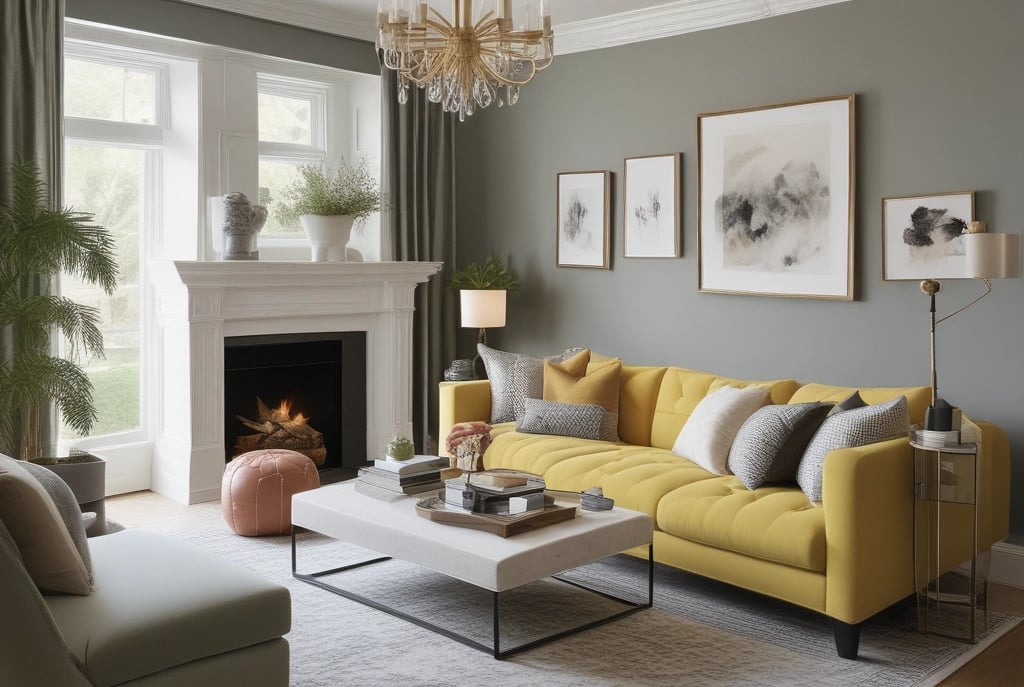
The Concept of Affordable Luxury in Interior Design
Affordable luxury in interior design embodies the idea that achieving a high-end aesthetic does not necessarily require a significant financial investment. This concept has gained traction as consumers increasingly seek to create stylish and sophisticated living spaces that reflect their personal tastes while being budget-conscious. Central to this philosophy is the understanding that luxury can be defined not solely by the price tag, but by the quality, craftsmanship, and design choices that are strategically made.
At the heart of affordable luxury lies the ability to curate an environment that conveys elegance and comfort without succumbing to excessive spending. This involves making thoughtful decisions about materials, colors, textures, and furnishings that elevate a space. For instance, opting for high-quality, affordable fabrics can create a rich and inviting atmosphere. Incorporating statement pieces, such as a well-designed lighting fixture or an artful accent, can add personality and sophistication without overwhelming the budget.
Furthermore, layering different elements can also facilitate an illusion of luxury. Mixing various textures from soft fabrics to polished surfaces can enhance visual interest, while strategic color palettes can create cohesion and warmth within a room. Importantly, the concept of affordable luxury also emphasizes the value of DIY and upcycling. Repurposing furniture or engaging in home improvement projects can allow for personalization, ultimately leading to a more authentic representation of one’s style.
In essence, affordable luxury is about making informed design choices that prioritize both aesthetics and financial wisdom. This approach ultimately transforms spaces into inviting sanctuaries that exude a high-end appeal, showcasing the notion that sophisticated interior design can indeed be attainable for everyone, regardless of budget constraints.
Planning Your Budget: Setting Priorities and Goals
Effective budget planning is critical in achieving an impressive interior design without overspending. The first step in this process is to set realistic financial goals. Begin by assessing your overall budget and distinguishing between essential expenditures and discretionary spending. This will enable you to allocate funds strategically while ensuring that unexpected costs do not derail your plans. A detailed understanding of both fixed and variable expenses will aid in creating a more precise and manageable budget.
Next, it is essential to determine your key priorities in design. Consider which elements of the space are most important to you, whether it be furniture, lighting, wall treatments, or artwork. By identifying these priorities, you can focus your budget on areas that will have the greatest impact on the overall aesthetic and functionality of the space. For instance, investing in high-quality furniture can produce a sense of luxury, while opting for more affordable accessories can complement this look without significant expenditure.
Establishing a clear roadmap for your interior design project will also help ensure that spending aligns with your overall design intentions. This roadmap should outline specific milestones, deadlines, and allocated budgets for various phases of the project. By breaking down the budget into smaller, manageable segments, you can monitor your spending more effectively and make necessary adjustments as the project progresses. It is also advantageous to leave a buffer for unexpected expenses, allowing for greater flexibility throughout the design process.
By taking the time to plan your budget, set priorities, and establish clear goals, you will be well on your way to achieving the high-end look you desire, even on a limited budget. A thoughtful approach to financial planning not only enhances the design process but also promotes satisfaction with the final outcome.
High-Impact, Low-Cost Design Strategies
When it comes to interior design, achieving an opulent aesthetic on a budget is entirely feasible through several strategic approaches. High-impact, low-cost design strategies can transform an ordinary space into an extraordinary one without straining financial resources. One of the most effective methods is the creation of focal points within a room. This can be accomplished through the use of bold artwork, an eye-catching piece of furniture, or a vibrant accent wall. By directing attention to specific areas, the overall perception of luxury can be significantly enhanced.
The use of mirrors is another powerful technique that can amplify the visual space while adding a touch of elegance. Strategically placing mirrors to reflect light and views can create an illusion of a larger area, making the room feel airier and more open. This not only contributes to the aesthetic appeal but also introduces a sense of sophistication that aligns with high-end designs.
Minimalist approaches also play a crucial role in budget-smart interior design. A clutter-free space with intentional decor allows for a refined look. Prioritizing quality over quantity is fundamental; investing in a few well-made pieces rather than numerous low-cost items can elevate the overall appearance of a room. Utilizing neutral color palettes can further enhance this effect, offering a timeless elegance while allowing flexibility in accessorizing with bolder hues.
Additionally, DIY projects can be invaluable for homeowners looking to personalize their spaces affordably. With a plethora of online resources, individuals can learn techniques for creating their furniture or decorative elements. This not only saves money but also infuses the home with personal style. The combination of focal point creation, mirror placements, minimalist design, and creative DIY solutions offers a comprehensive toolkit for anyone aiming to achieve high-end looks on a low budget.
The Role of Color and Lighting in Affordable Elegance
Color and lighting play critical roles in shaping the perception of any interior space, offering immense potential for budget-smart home design. The right color palette can create an atmosphere of sophistication and richness, even without high-end materials. To evoke a sense of luxury, consider opting for a color scheme that incorporates deep, rich hues such as navy blue, emerald green, or burgundy. These colors can add depth and warmth to a room, making it feel more inviting and polished. Additionally, neutral tones like soft grays, taupes, and whites can serve as a versatile foundation, allowing for accent pieces to bring in flair without overwhelming the aesthetic.
When selecting colors, it is advisable to consider the overall lighting of the space. Natural light can dramatically alter the appearance of colors, making them appear more vibrant during the day and more subdued at night. Utilizing light-colored paints on walls, particularly in smaller or darker areas, can help reflect light and create an illusion of spaciousness. To further enhance the luxurious feel, consider incorporating textures through the use of fabrics or wall treatments in shades that harmonize with the base colors.
In terms of lighting, the strategic placement of both artificial and natural sources can transform a room from mundane to magnificent. For instance, soft, ambient lighting can highlight design elements and create a relaxing ambiance. Employing dimmable LED fixtures or stylish lamps can provide versatility, allowing homeowners to adjust the lighting based on mood and occasion. Additionally, accent lighting can draw attention to art pieces or architectural details, enriching the overall visual experience. By thoughtfully combining color and lighting, homeowners can achieve an elegant atmosphere that exudes sophistication all while remaining budget-conscious and resourceful.
Choosing Timeless Pieces Over Trendy Investments
In the realm of interior design, the choice between timeless pieces and trendy investments can significantly impact the longevity and sustainability of a home’s aesthetic. Timeless furniture and decor boast designs that transcend the ebb and flow of trends, enabling homeowners to create spaces that remain relevant regardless of changing fashions. While trends may offer immediate aesthetic appeal, they often lack the durability necessary for long-term investment. Purchasing timeless pieces can be seen as a strategy for cultivating a home environment that is both sophisticated and cohesive.
One of the primary advantages of opting for timeless items is their versatility. Classic designs, such as mid-century modern furniture or traditional wooden accents, can seamlessly integrate into various design schemes. This adaptability minimizes the need for frequent renovations, reducing overall costs and environmental waste associated with continually replacing trendy items. Such enduring styles often feature high-quality materials and craftsmanship, further enhancing their longevity, which can ultimately result in a more cost-effective solution over time.
Moreover, timeless pieces often hold their value better than trendy alternatives. Because they are not tied to specific design fads, these items tend to maintain their appeal in the resale market. This is particularly beneficial for those who may wish to refresh their living spaces in the future without incurring significant losses. Investing in timeless decor can serve as a wise economic choice, allowing homeowners to achieve a high-end look while adhering to a budget.
Ultimately, by prioritizing timeless design elements over fleeting trends, individuals can cultivate an interior that not only meets their aesthetic desires but also stands the test of time, ensuring beauty and functionality for years to come.
Creative Repurposing: Giving Old Items a New Life
In the realm of budget-friendly interior design, the concept of creative repurposing holds immense potential. This approach not only enables individuals to save money but also fosters a unique sense of style and personalization within their living spaces. By giving old furniture and decor new life, homeowners can achieve a high-end aesthetic without the hefty price tag often associated with luxurious interiors.
One effective strategy for repurposing is to assess the items already within your home. A worn-out chair can be reupholstered with a modern fabric, instantly changing its appearance while maintaining its structural integrity. Similarly, an antique dresser may benefit from a fresh coat of paint and updated hardware, transforming it into a statement piece suitable for any room. Additionally, utilizing sandpaper and varnish can breathe new life into old wooden items, accentuating their natural beauty.
Homeowners may also consider converting outdated furniture into multi-functional pieces. For instance, an old trunk can serve as a coffee table, providing both style and storage. Alternatively, mismatched chairs can be painted in a cohesive color palette to create an inviting dining set, imparting charm and character. This creative repurposing not only maximizes space but also provides opportunities to experiment with various design elements.
Furthermore, decor items such as vintage frames can be repainted or styled with modern artwork to reflect contemporary tastes, proving that previous trends can be seamlessly integrated into today’s designs. Incorporating these repurposed pieces into your home not only showcases creativity but also offers an opportunity to tell a personal story through your decor.
Ultimately, creative repurposing allows individuals to achieve an upscale atmosphere on a budget, demonstrating that the charm of a home goes beyond new purchases. By embracing the potential of old items, one can cultivate a stylish yet affordable space that resonates with personal flair.
Mixing Textures and Finishes for a Sophisticated Look
In interior design, the seamless integration of various textures and finishes plays a pivotal role in creating a sophisticated aesthetic without incurring high costs. By thoughtfully combining materials such as wood, metal, fabric, and glass, one can add depth and visual interest to spaces, transforming the ordinary into the extraordinary. Understanding how to effectively mix these elements is essential for those aiming for a high-end look while adhering to a budget.
One powerful strategy is to layer different textures in a single space. For instance, pairing a soft, plush velvet throw with a sleek leather sofa not only elevates the overall design but also introduces contrast that draws the eye. Complementing textiles with natural materials such as a rustic wood coffee table or a woven jute rug can create a curated, sophisticated atmosphere. This approach can significantly enhance the perceived quality of the space without necessitating extravagant expenditures.
Moreover, the selection of finishes should not be overlooked. Incorporating a mix of matte, glossy, and satin finishes can add richness to a room. For example, combining a matte-finish wall with glossy metallic accents in light fixtures or decorative elements can create a striking visual dynamic. When considering paint options, utilizing various sheens on complementary colors can contribute to a layered and cohesive design.
Incorporating elements from various design styles such as industrial, modern, or bohemian can further enhance sophistication. For instance, mixing rustic wooden features with contemporary metallic accents can yield an eclectic yet refined aesthetic. Ultimately, the key is to maintain a harmonious balance, ensuring that the combination of textures and finishes enhances the overall theme of the space. By being intentional and creative, one can achieve an elegant environment that reflects personal style while keeping costs manageable.
References
Affordable Interior Design: High-End Tips for Any Budget
Author: by Betsy Helmuth , Dov Plawsky
Link: Affordable Interior DesignBig Design, Small Budget: Create a Glamorous Home in …
Author: by Betsy Helmuth, John Ha
Link: Big Design, Small BudgetHome Design on a Budget – Tips & Tricks, Interior …
Author: by a360media
Link: Home Design On A BudgetMad about the House: The budget how-to guide for smart …
Author: by Kate Watson-Smyth
Link: Mad about the House