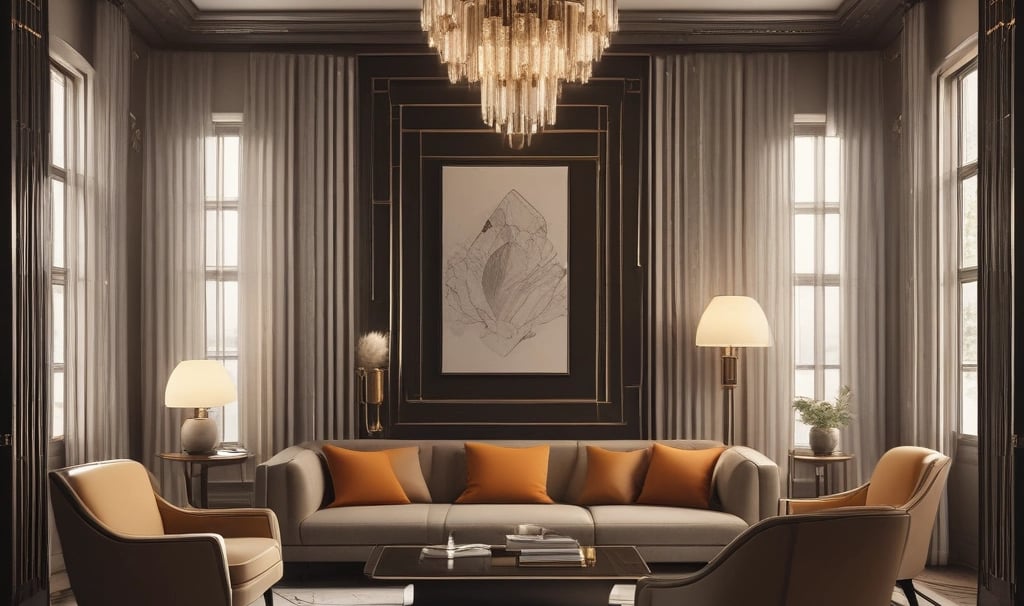
Art Deco Interior Design: The Timeless Glamour of a Golden Era
HOME DESIGN IDEAS
Mohamed Amine
11/7/20258 min read
Origins of Art Deco: A Style Born from Modernity and Luxury
Art Deco emerged in the early 20th century, an era characterized by rapid industrialization and profound social changes. This design style, which gained prominence between the two World Wars, is often regarded as a celebration of modernity and luxury. The roots of Art Deco can be traced back to various historical influences, including the 1925 Exposition Internationale des Arts Décoratifs et Industriels Modernes held in Paris. This exposition showcased innovative design and craftsmanship, drawing attention to the marriage of decorative arts and technology.
The Art Deco aesthetic is a response to the shifting cultural landscape of its time. Following the devastation of World War I, there was a desire for optimism and progress, reflected in the bold geometric patterns and vibrant colors associated with the movement. Art Deco artists and designers incorporated elements from diverse styles, such as Cubism and Futurism, while also nodding to traditional ornamental forms. Notable figures, including architects like Émile-Jacques Ruhlmann and designers such as René Lalique, played pivotal roles in shaping this distinctive style.
Additionally, Art Deco showcases a significant juxtaposition between traditional craftsmanship and modern technologies. The use of new materials such as chrome, glass, and concrete allowed for innovative designs that emphasized the sleek, streamlined forms characteristic of the style. This integration of modern technologies with exquisite craftsmanship not only defined the visual language of Art Deco but also underscored the era's broader narrative of progress and sophistication.
The Art Deco movement mirrored the social changes of the early 20th century, reflecting emerging trends in fashion, architecture, and visual arts. As cities grew and the middle class expanded, the demand for luxurious yet accessible designs increased. Consequently, Art Deco became synonymous with a lifestyle marked by elegance, glamour, and a keen embrace of modernity, making it a lasting influence on interior design.
Key Design Elements that Define Art Deco Interiors
Art Deco interiors are characterized by a distinctive blend of elegance, modernity, and a touch of nostalgia that harkens back to the 1920s and 1930s. A fundamental aspect of this style is the use of bold patterns and geometric shapes, which often serve as the foundation for various design decisions. These visually striking designs unapologetically capture attention and may include chevrons, zigzags, and other intricate motifs. These patterns are frequently combined with streamlined forms that accentuate a sense of sophistication and balance throughout the space, reflecting the technological advancements of the era.
Luxurious textures play a vital role in defining Art Deco interiors. Materials such as velvet, chrome, glass, and exotic woods are commonly used to inject a sense of opulence and refinement. The richness of these textures contributes to the overall ambiance, creating spaces that are both inviting and grand. Layering these materials helps to achieve a cohesive look, with each element enhancing the distinctiveness of the decor while providing a tactile quality that intrigues the senses.
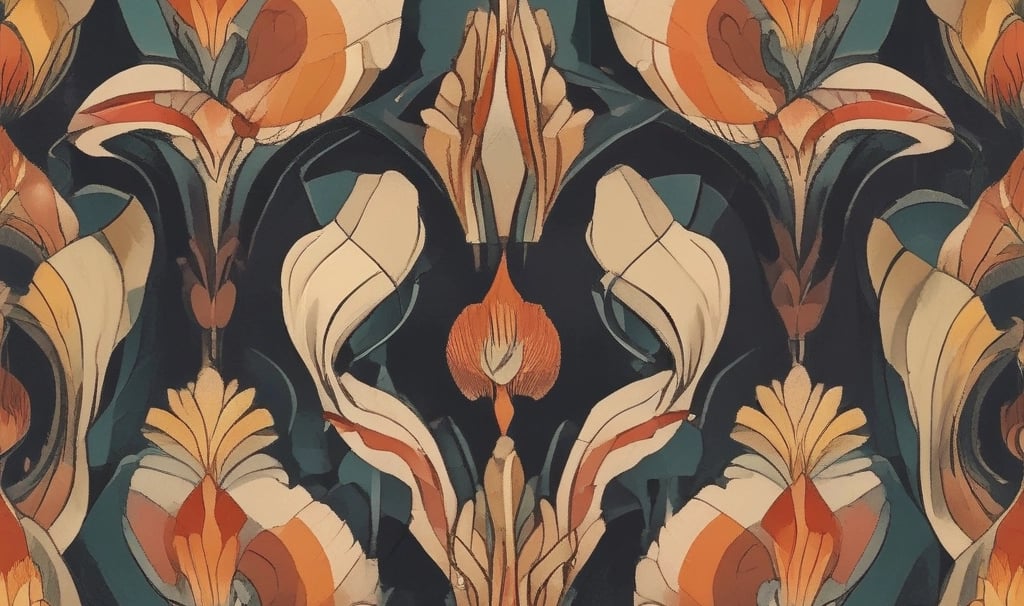
Ornamentation is another crucial feature within Art Deco design. While minimalism was emerging as a trend in other styles, Art Deco embraced decoration as an essential component. This led to the incorporation of motifs inspired by nature, such as flowers and foliage, alongside representations of modernity, including stylized industrial forms. The interplay between these motifs creates a visual narrative that celebrates both the beauty of the natural world and the advancements of technology. From lavish theaters to private residences, the integration of these key design elements demonstrates the versatile and enduring nature of Art Deco interiors, allowing them to remain influential in contemporary design.
The Role of Geometry and Symmetry in Art Deco Spaces
Art Deco interior design is renowned for its sophisticated combination of style and functionality, heavily relying on the principles of geometry and symmetry to create visually pleasing spaces. The geometric shapes characteristic of this design movement are not merely decorative; they serve to establish a sense of order and structure within a room. Common motifs include zigzags, chevrons, and stylized floral patterns, which, when integrated thoughtfully into various elements such as textiles, wall coverings, and furniture, contribute to a cohesive aesthetic that defines Art Deco interiors.
Symmetry plays a pivotal role in achieving the elegant and refined nature associated with Art Deco design. The balance achieved through symmetrical arrangements fosters a harmonious atmosphere, where each element is purposefully placed to enhance the overall visual impact. This careful orchestration often extends to furniture layout, architectural details, and even light fixtures, ensuring that each aspect complements the others. For instance, symmetrical furniture arrangements can guide the eye and create a sense of calm within a space, making rooms not only attractive but also inviting.
In addition, the integration of geometric patterns and symmetrical designs extends to architectural features, such as windows and doorways. By incorporating these elements, spaces not only reflect the grandeur typical of the Art Deco era but also emphasize a timeless elegance that resonates deeply in contemporary settings. This adherence to geometric forms coupled with symmetry generates a sophisticated balance that elevates the ambiance of any room, allowing for both comfort and luxury. As such, geometry and symmetry remain fundamental to the allure and charm of Art Deco interiors, affirming their status as enduring components of design aesthetics.
Materials that Embody Opulence: Metals, Glass, and Lacquer
Art Deco interior design is renowned for its extravagant use of luxurious materials that contribute to an overall sense of glamour. Central to this style are metals, glass, and lacquer, each of which plays a crucial role in enhancing the aesthetic appeal of a space. The use of metals like chrome, bronze, and gold finishes creates striking contrasts and adds a sleek, modern edge that defines Art Deco. For instance, chrome accents can be found in furniture frames and lighting fixtures, infusing spaces with a sense of sophistication and luxury.
Glass is another integral component, with its ability to manipulate light and space. Decorative glass treatments, such as etched or frosted surfaces, not only enhance transparency but also create intricate patterns that catch the eye. Mirrored surfaces are particularly significant in Art Deco interiors; they are often used to reflect light and visually expand smaller spaces. This reflective quality contributes to the overall opulence of the design, offering a feeling of grandeur and elegance.
Lacquered finishes provide a rich depth and sheen that elevates the surfaces of furniture and cabinetry. This technique involves layering resin to create a glossy, hard surface that is not only visually striking but also durable. The application of lacquer in bold colors, such as deep reds and blacks, effectively draws attention and adds a dramatic flair to rooms. Innovative craftsmanship techniques, such as marquetry and inlay, often accompany lacquer work, further enhancing the intricate detail typically associated with Art Deco design.
In essence, the combination of metals, glass, and lacquer builds a luxurious atmosphere that is synonymous with the Art Deco movement, illustrating how these materials are meticulously crafted to achieve a timeless elegance.
The Art Deco Color Palette: Bold, Dramatic, and Elegant
The Art Deco movement, flourishing in the 1920s and 1930s, is distinguished not only by its geometric forms and luxurious materials but also by its striking color palette. The colors embraced by Art Deco design reflect a rich tapestry of influences, combining both bold and subtle shades to create visual drama and elegance in interior spaces. Key colors often found within this style include deep jewel tones such as emerald green, sapphire blue, and ruby red, enriched by metallic accents like gold, silver, or chrome. These choices foster a sense of opulence and sophistication, critical for achieving the theatrical aesthetic characteristic of Art Deco.
In addition to these vibrant hues, Art Deco design frequently incorporates contrasting combinations that heighten the dramatic impact of a room. For instance, pairing rich navy blue with bright gold leads to a striking and glamorous aesthetic, while softer shades such as pastel pinks, lilacs, or creams can provide an elegant touch without overwhelming the senses. This balance between bold and subtle tones allows for versatility in applying the Art Deco style, making it suitable for various settings, from lavish lounges to more intimate spaces.
The psychological effects of color in interior design cannot be overlooked. Rich colors stimulate the viewer's emotions, evoking a sense of vitality and energy, whereas lighter, more nuanced tones tend to create an atmosphere of calm and serenity. Understanding these psychological impacts can greatly influence how a space is perceived and enjoyed. Ultimately, the Art Deco color palette showcases a masterful blend of bold contrasts and elegant shades, making it a timeless choice for those inspired by the glamour of this distinctive era.
Iconic Furniture Styles of the Art Deco Movement
The Art Deco movement, emerging in the 1920s and flourishing through the 1930s, is characterized by its luxurious aesthetics and innovative designs, particularly in furniture. Iconic pieces from this era exemplify the opulence that defined Art Deco interiors, with an emphasis on geometric forms, bold colors, and the use of sumptuous materials. Designers sought to break away from traditional design norms, resulting in furniture that was not only functional but also a statement of style.
Materials played a crucial role in defining the furniture styles of this time. Rich woods, such as mahogany and walnut, were often used, accompanied by elegant veneers and intricate inlays. Metals like chrome and brass added a sense of modernity, while glass was frequently incorporated to enhance the visual lightness of pieces. Upholstery featured luxurious fabrics like velvet, leather, and silk, often adorned with geometric patterns or bold motifs, further accentuating the glamorous essence of Art Deco.
Notable designers such as René Lalique and Émile-Jacques Ruhlmann became synonymous with the Art Deco style, creating bespoke furniture that showcased their skill in craftsmanship and design. Lalique is renowned for his exquisite glass works, while Ruhlmann's furniture exemplifies the harmonious blend of tradition and modernity. Additionally, companies like William Kent and the famous French brand Maison Jansen contributed significantly to the popularity of Art Deco furniture through their innovative designs and high-quality craftsmanship.
This movement's furniture styles often emphasized symmetry and functionality, with streamlined silhouettes and functional elegance. From sumptuous sofas to striking armoires, each piece was carefully crafted to create not only individual beauty but also to complete the cohesive vision of an Art Deco interior. The legacy of this influential period continues to resonate today, inspiring contemporary designers to incorporate the timeless glamour of Art Deco into modern aesthetics and interiors.
Lighting in Art Deco: Glamour through Glow and Reflection
Lighting is an integral aspect of Art Deco interior design, serving not only as a practical necessity but also as a vital component that enhances the opulence and sophistication characteristic of this style. The attention to detail and the incorporation of luxurious materials in the creation of lighting fixtures are emblematic of the Art Deco movement. A quintessential element of these interiors, lighting fixtures such as chandeliers, sconces, and lamps are designed to be both functional and decorative, serving as focal points that draw the eye and evoke a sense of drama.
Iconic Art Deco chandeliers often showcase an intricate interplay of glass and metal, employing geometrical shapes and bold lines that reflect the artistic style of the era. The materials used in these fixtures, such as crystal or polished chrome, not only serve to amplify the glow emanating from the light sources but also contribute to the overall aesthetic appeal. The reflective quality of these materials is essential, as it creates an atmospheric glow that enhances the glamour of the space. This thoughtful approach to lighting design ensures that every fixture embodies the elegance and sophistication that define Art Deco.
Moreover, sconces in Art Deco spaces are typically designed to harmonize with the overall theme, featuring similar motifs and materials. These wall-mounted lighting fixtures provide both ambient and accent lighting, allowing for flexibility in setting the mood of the room. The strategic placement of such fixtures is crucial in maximizing the effects of light and shadow, underscoring the luxury inherent in Art Deco design. The thoughtful integration of illumination not only serves aesthetic purposes but also enhances the spatial experience within the interior, transforming each environment into a radiant celebration of the era's artistic vision.
References
Art Deco Interiors: Decoration and Design Classics of the 1920s and 1930s
Author: Henry Delacroix
Link: Art Deco InteriorsInterior Style: Art Deco
Author: by Lucy Derbyshire , Jena Quinn
Link: Art Deco InteriorsInside Art Deco: A Pictorial Tour of Deco Interiors
Author: by Lucy D Rosenfeld
Link: Inside Art DecoInterior Style: Art Deco
Author: by Lucy Derbyshire, Jena Quinn
Link: Interior Style: Art DecoArt Deco Interior Design Style Photobook: Illustration Of Interiors
Author: by Jerome Wolf
Link: Art Deco Interior Design