
Accent Lighting in Home Interiors: Enhancing Your Space with Style
HOME DESIGN IDEAS
Mohamed Amine
10/21/20259 min read
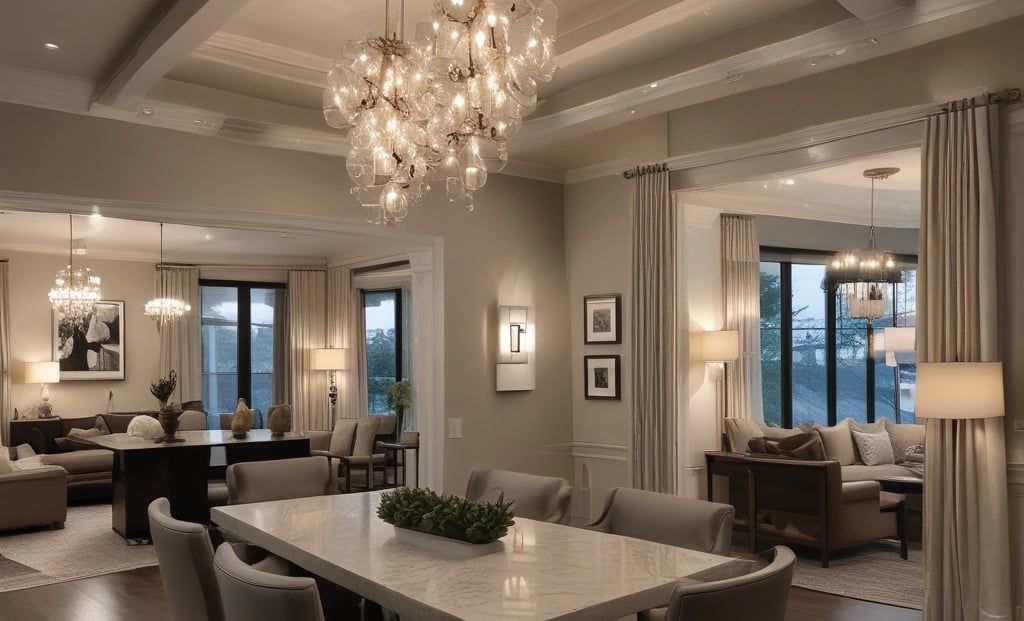
The Purpose and Impact of Accent Lighting in Interior Design
Accent lighting serves a pivotal role in interior design, effectively enhancing the visual appeal and functionality of a space. This specialized form of lighting is intentionally directed to highlight particular features, artworks, or architectural details within a room, thus creating a focal point that draws the eye. By employing accent lighting strategically, designers can significantly improve the overall aesthetic, making spaces feel more inviting and engaging.
One of the primary purposes of accent lighting is to shape the mood and atmosphere in a room. Depending on the intensity and color of the light used, it can evoke various emotions and set the tone for any setting. Warm tones can create a cozy and intimate environment, while cooler hues can contribute to a more serene and calm atmosphere. This emotional aspect of lighting is crucial in spaces where people gather, such as living rooms and dining areas, allowing homeowners to craft experiences suited to the occasion.
Moreover, accent lighting plays a vital role in influencing the perception of room dimensions. By utilizing well-placed fixtures, designers can highlight walls, niches, or ceilings, effectively altering the perceived size and height of a space. For instance, upward lighting can make a low ceiling appear taller, while strategically placed wall sconces can create a sense of depth in narrower hallways. This capability to manipulate spatial perception is a powerful tool in interior design, as it allows for the optimization of various room characteristics.
Beyond aesthetics, the psychological impacts of accent lighting are equally significant. Well-considered lighting can enhance productivity in home offices or foster relaxation in bedrooms. By addressing both the functional and stylistic aspects of a space, accent lighting emerges as a fundamental component in the broader narrative of interior design, seamlessly blending utility and visual interest.
How Accent Lighting Enhances Architectural Features and Artwork
Accent lighting plays a pivotal role in showcasing the distinct architectural features and artworks within a home. By strategically directing light on specific elements, homeowners can dramatically enhance the visual appeal of their interiors. This type of lighting is particularly effective for highlighting textures, shapes, and colors, ensuring that each distinctive characteristic stands out beautifully.
For instance, when illuminating a textured wall or an ornate staircase, the right placement of accent lights can create depth and dimension. Wall sconces can be mounted at various heights to produce a soft glow that highlights unique textures, allowing occupants and guests to appreciate the craftsmanship and materials used in the construction. Likewise, spotlighting architectural niches or alcoves can draw attention to the design elements, enhancing the overall aesthetic of the space.
When it comes to artwork, accent lighting is equally essential. Using picture lights or adjustable spotlights enables art pieces to bask in a glow that not only illuminates the colors but also accentuates the brush strokes and details. This technique turns a simple wall into a captivating gallery, encouraging viewers to engage with the artworks on a deeper level. Moreover, layeringlighting with dimmers can provide the flexibility to create different moods, adapting the atmosphere to suit various occasions.
Another valuable technique is the use of backlighting for sculptures or 3D art, which can create dramatic silhouettes and focal points in the room. This is especially effective in minimalist settings, where the illumination can transform a simple piece into a striking centerpiece. Similarly, recessed lighting can be integrated into shelves or displays to subtly highlight decorative items, enhancing their presence without overwhelming the surrounding decor.
Overall, the thoughtful application of accent lighting not only enriches home interiors but also elevates the experience of viewing architectural features and art, encouraging appreciation for both.
Types of Accent Lighting: Spotlights, Track Lights, and Wall Washers
Accent lighting is a crucial element in interior design, helping to highlight specific features or areas within a room. Among the most common types of accent lighting are spotlights, track lights, and wall washers. Each of these lighting fixtures serves distinct purposes and offers diverse visual effects that can significantly enhance a space.
Spotlights are focused light fixtures that emit a concentrated beam of light, making them ideal for highlighting artwork, architectural details, or specific areas in a room. They are typically adjustable, allowing for flexibility in directing light exactly where it is needed. However, one drawback is that they can create harsh shadows if not positioned properly, which may detract from the overall aesthetic.
Track lights consist of a series of light fixtures attached to a mounted track, enabling customizable placement and direction of the lights. This versatility allows homeowners to illuminate multiple areas or objects without requiring extensive electrical work. The main advantage lies in their flexibility and the opportunity to create dynamic lighting schemes; however, they can sometimes appear industrial or utilitarian, which may not suit all decor styles.
Wall washers are designed to produce a broad, even wash of light across a wall or surface, enhancing texture and color. These fixtures are perfect for showcasing artwork or architectural details and creating a warm ambiance in the space. While wall washers can dramatically enhance the visual impact of a room, they may not provide sufficient illumination for functional tasks, so their optimal placement is essential to ensure that lighting layers work cohesively.
In selecting the best type of accent lighting, one should consider the specific needs of the space, including function, style, and overall design goals. Understanding the unique characteristics and applications of spotlights, track lights, and wall washers allows for informed decision-making and successful integration of accent lighting into home interiors.
Strategic Placement for Maximum Visual Effect
Accent lighting plays a pivotal role in enhancing home interiors by creating visual interest and establishing a particular ambiance. To achieve maximum impact, strategic placement of lighting fixtures is essential. The key is to focus on the details, including the angles at which light is directed, the distance of fixtures from objects, and the overall layout of the room.
When positioning accent lighting, consider using a combination of various types of fixtures. Wall-mounted sconces can be strategically placed to highlight artwork or architectural features, while adjustable recessed lights allow for flexibility in illuminating specific areas. Aim to create layers of light by distributing fixtures at different heights and distances. For instance, placing table lamps on side tables in conjunction with overhead lighting can create a warm, inviting atmosphere.
It is important to consider the relationship between the accent lighting and the objects it illuminates. The distance between the fixture and the focal point matters significantly; lighting that is too close can cause glare, while lighting from greater distances may fail to make an impact. A general guideline is to position accent lights approximately one to two feet away from the object being highlighted. Additionally, adjusting the angle of the light can enhance the textural qualities and colors of the item effectively.
Room size and layout also influence how accent lighting should be implemented. In larger spaces, multiple sources of light are necessary for balanced illumination, whereas smaller rooms can benefit from concentrated pools of light that create a sense of depth. Experimenting with placement can lead to discovering new focal points in your interior design, whether showcasing a favorite piece of furniture or enhancing the beauty of a striking feature wall.
Choosing the Right Fixtures for Accent Illumination
Accent lighting plays a crucial role in elevating the aesthetics of home interiors by highlighting particular features and creating a desired ambiance. When selecting the right fixtures for accent illumination, it is essential to consider a combination of style, functionality, and overall interior cohesion. One of the first factors to appraise is the color temperature of the bulbs. Generally, warm white light (between 2700K to 3000K) creates a cozy atmosphere, while cool daylight (4000K to 5000K) is more suitable for modern and minimalist spaces. Depending on the mood you intend to establish, picking the right temperature is fundamental.
The type of bulb used is another significant consideration. LED bulbs have gained popularity due to their energy efficiency and longevity, making them an optimal choice for accent lighting. Additionally, they are available in various shapes and sizes that can easily fit within different fixtures, allowing for versatile design options. Halogen bulbs also offer a bright, crisp light but consume more energy and produce heat. Therefore, it’s crucial to evaluate priorities such as energy efficiency and longevity when choosing a bulb type that aligns with your accent lighting goals.
Fixture design further contributes to the overall effect of accent lighting in the home. Consider styles that complement existing décor while serving their functional purpose. Sleek track lights can be ideal for modern spaces, while wall sconces may be preferable in traditional settings. It's beneficial to envision how each fixture integrates with your overall design aesthetic and whether it draws attention to specific architectural features or art pieces. By thoughtfully selecting your accent lighting fixtures, you can create an inviting environment that reflects your personal style while enhancing the beauty of your interior.
Balancing Accent, Ambient, and Task Lighting for Harmony
Creating a well-balanced lighting scheme in home interiors is essential for both functionality and aesthetics. The three primary types of lighting ambient, task, and accent play unique roles in altering the perception and utility of a space. Ambient lighting serves as the primary light source that brightens up a room, providing overall illumination. It typically comes from ceiling fixtures or natural light through windows. This foundation allows for the effective utilization of accent and task lighting.
Task lighting, on the other hand, is designed to serve specific functions, illuminating areas where activities such as reading, cooking, or working occur. This type of lighting should be strategically placed to enhance visibility without straining the eyes, typically provided by desk lamps, under-cabinet lights, or pendant fixtures over workspaces. Ensuring that task lighting is efficient and effective is critical in creating a functional environment.
Accent lighting is the final piece of the puzzle, adding layers of visual interest and highlighting architectural features, artwork, or focal points within the room. Spotlights, wall sconces, or track lighting are commonly used to draw attention to these elements and create drama in the space. The interplay between these three lighting types is essential; while ambient lighting provides a blanket of light, task lighting focuses on specific areas, and accent lighting adds depth and personal style.
To achieve harmony in your home interiors, careful consideration must be given to the placement and intensity of each lighting type. A balanced approach will ensure that ambient lighting creates a welcoming atmosphere, task lighting boosts functionality, and accent lighting showcases your personal style. By integrating these elements thoughtfully, homeowners can elevate their spaces to new heights, harmonizing practicality with visual appeal.
Creative Ideas for Highlighting Décor and Textures
Accent lighting serves as a pivotal element in enhancing home interiors, not only for function but for artistic expression. One impactful way to employ accent lighting is to create layers of interest. By strategically positioning lights at varying heights, you can draw the eye up and make spaces appear larger and more inviting. For instance, wall-mounted sconces or pendant lights can illuminate artwork or decorative shelves, providing a spotlight that draws attention to these focal points while creating a sense of depth.
Furthermore, accentuating wall textures can drastically change the ambiance of a room. Textured walls, such as those with plaster, wood paneling, or brick, can be effectively highlighted using directional lighting fixtures, such as spotlights. This technique casts dramatic shadows that enhance the three-dimensional quality of the surfaces, thereby enriching the overall character of the space. In addition to wall textures, consider employing accent lighting to highlight architectural features and room dividers. For instance, if you have a decorative column or an open bookshelf serving as a divider, placing a small LED strip along its base can create a warm glow that makes these elements stand out.
Bringing more depth to furnishings is another innovative use of accent lighting. Table lamps with colored shades or uplighting fixtures can illuminate furniture, creating an inviting atmosphere. By focusing lights on unique pieces, such as a beautifully crafted coffee table or an ornate sideboard, you enhance their appeal, making them not just practical items but also artistic focal points. The interplay of light and shadow not only highlights textures but also encourages an emotional response within the space, making your interiors more dynamic and engaging.
Common Accent Lighting Mistakes and How to Avoid Them
When implementing accent lighting in home interiors, several common mistakes can detract from the intended aesthetic and functionality of the space. One frequent pitfall is over-lighting. While the goal is often to highlight specific areas or features, excessive illumination can create an overwhelming effect, reducing the intended impact of the accent lighting. To avoid this, it is essential to strike a balance between general and accent lighting; use softer bulbs or dimmer switches to create an inviting atmosphere without overwhelming brightness.
Another mistake involves poor fixture choice. Selecting fixtures that do not complement or match the interior design style can lead to discordant aesthetics. For example, a contemporary light fixture may appear jarring in a traditionally styled room. To prevent this issue, it is advisable to assess the overall theme of the space before choosing accent lighting. Consider the material, shape, and finish of the fixtures, ensuring they align with the room's design elements for a cohesive look.
Ineffective placement is also a common error in accent lighting design. Placing fixtures too high or too low can diminish their effects, making it difficult to achieve the desired ambiance. It is crucial to assess the area being highlighted and position the lights accordingly. Generally, accent lights should be at eye level or slightly above the focal feature to effectively draw attention. Additionally, spacing between fixtures should be carefully considered to avoid clustering, which can overshadow the accent effect.
By being mindful of these common mistakes over-lighting, poor fixture choice, and ineffective placement individuals can enhance their home interiors with well-executed accent lighting. Thoughtful consideration of these elements can lead to beautifully illuminated spaces that reflect personal style and meet practical needs.
References
Residential Lighting: A Practical Guide to Beautiful and Sustainable Lighting Design
Author: by Randall Whitehead
Link: Residential LightingLighting Design Basics
Author: by Mark Karlen & James Benya
Link: Lighting Design BasicsThe Art of Illumination: Residential Lighting Design
Author: by Randall Whitehead
Link: The Art of IlluminationInterior Lighting for Designers
Author: by Gary Gordon
Link: Interior Lighting for Designers